Olaf Nicolai
UN MONDO CHE MUORE
Client
Client
Olaf Nicolai
Olaf Nicolai
SECTOR
SECTOR
Art & Culture
Art & Culture
SERVICE
SERVICE
Poster Design, Illustration
Poster Design, Illustration
Year
Year
2022
2022
About
About
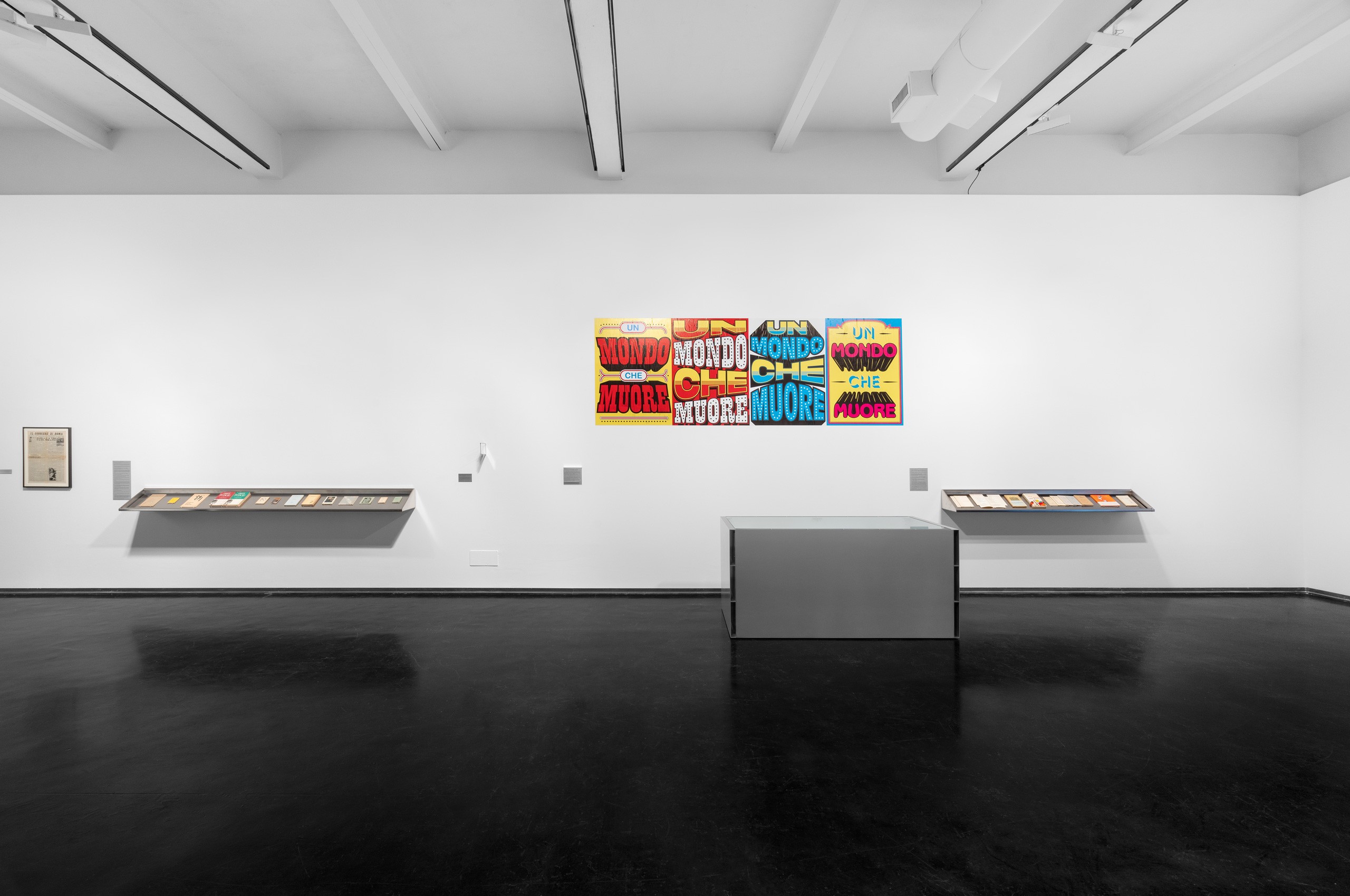
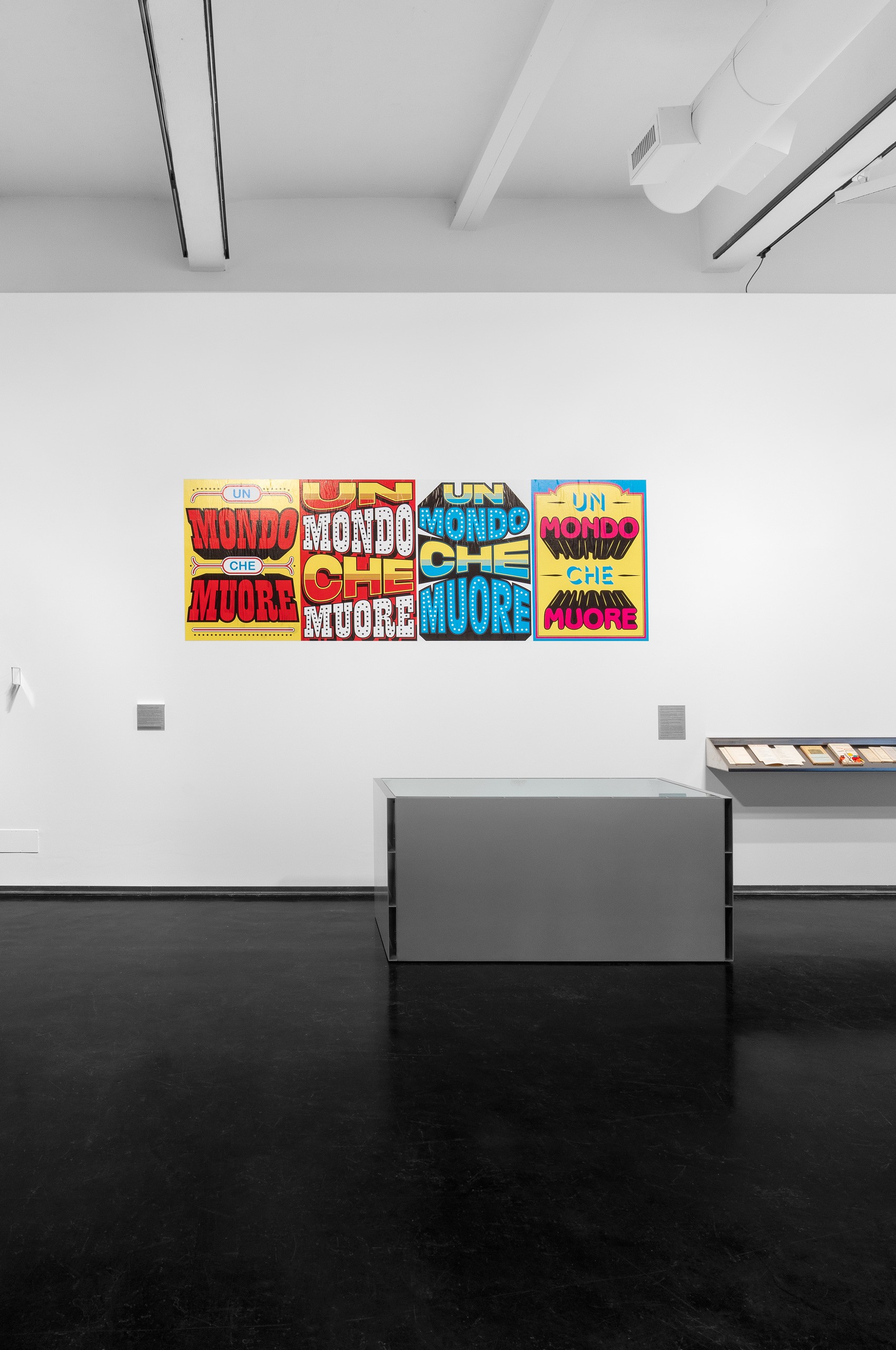
The project at MACRO focuses on the 1967 televised encounter between Pier Paolo Pasolini and Ezra Pound — a meeting shaped by ideological opposition, yet unfolding as an unexpected gesture of recognition. What could have been a confrontation became a staged moment of fragile reconciliation, oscillating between distance and proximity, critique and acknowledgment.
Olaf Nicolai responds to this ambivalent constellation by translating the conversation into a typographic staging. He draws on its unstable tone, poised between intellectual exchange and performative spectacle, and extends it through a short text about two clowns. The work reframes the encounter as a constructed scene in which meaning emerges through form, rhythm, and subtle shifts in tone.
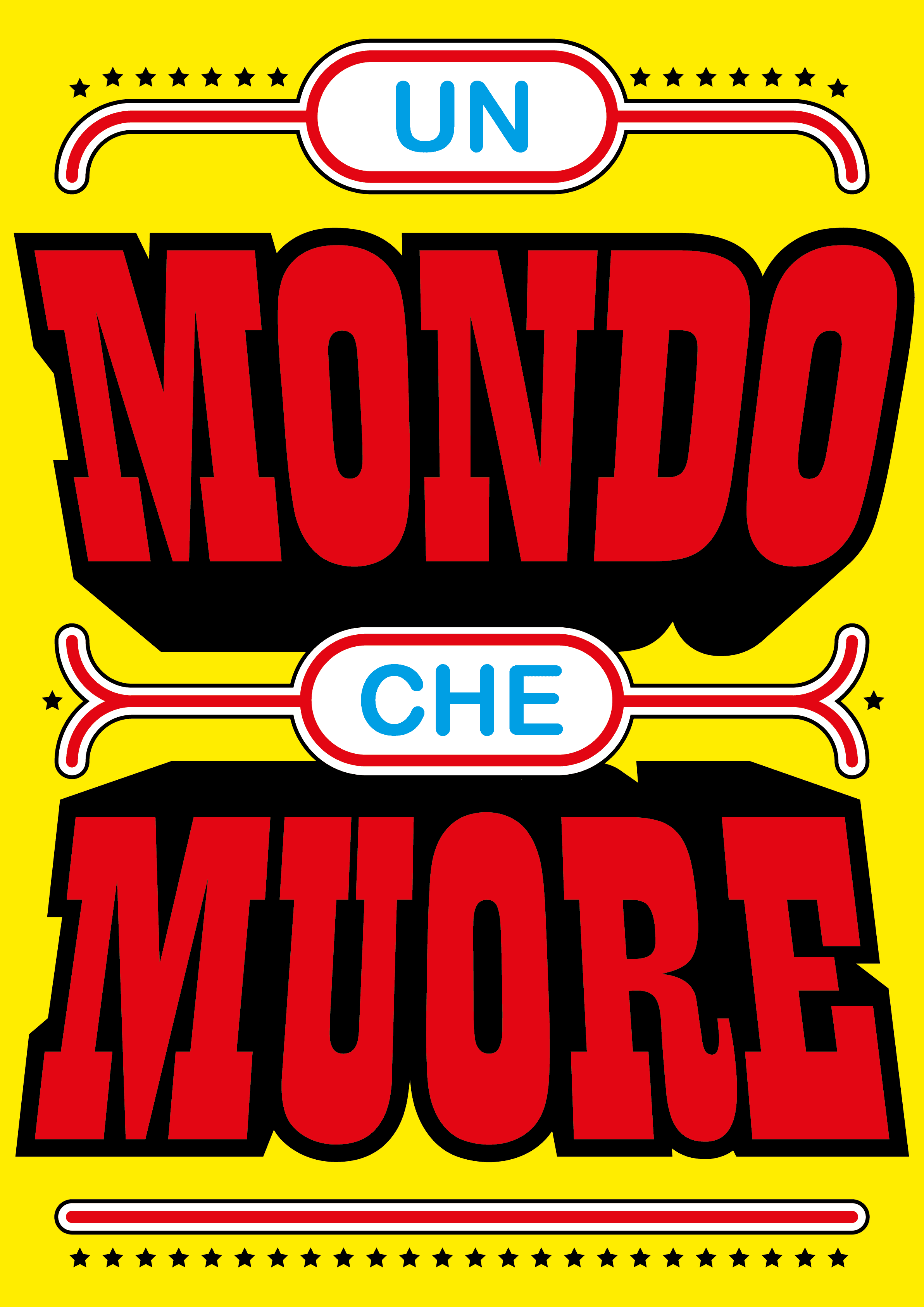
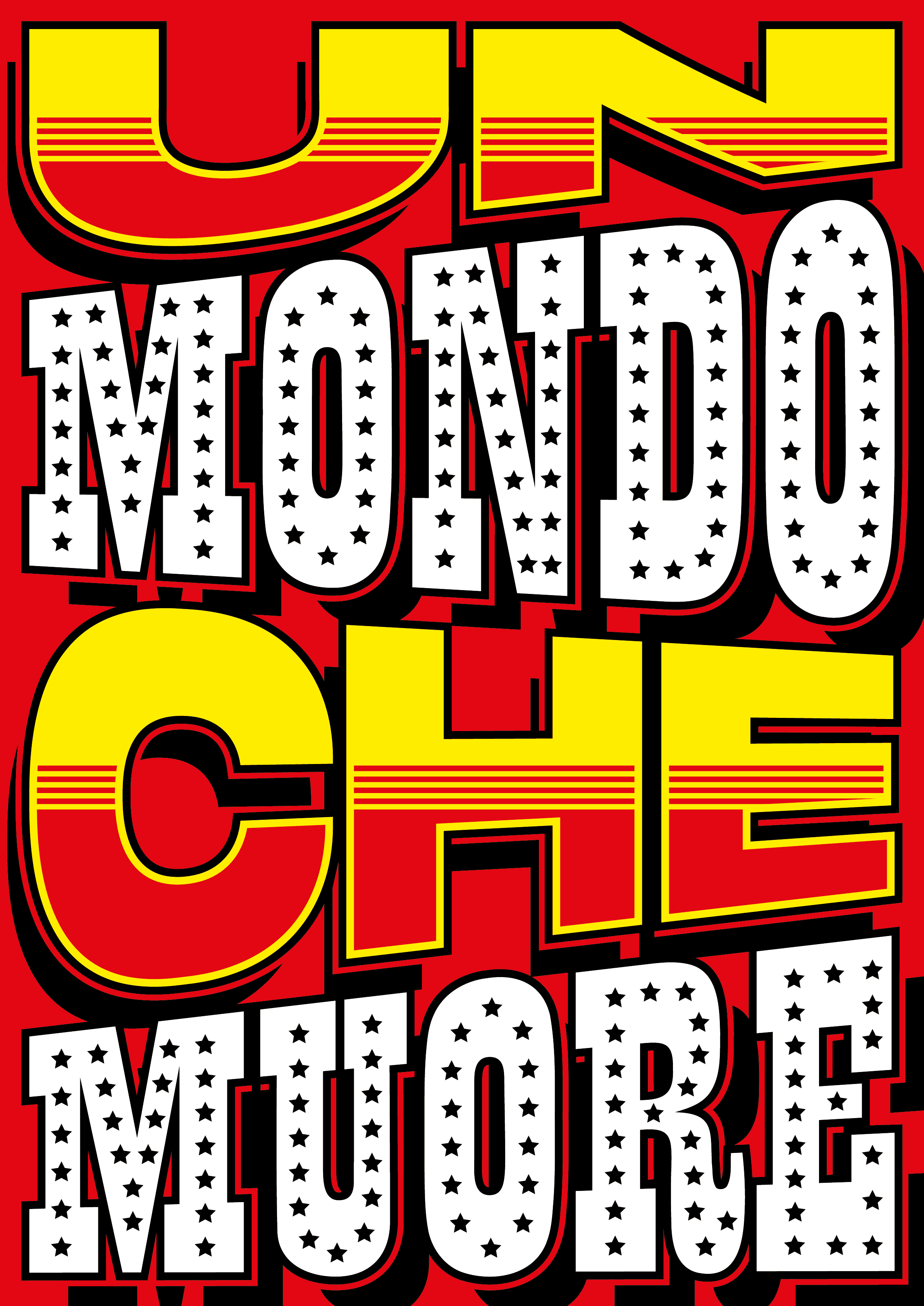
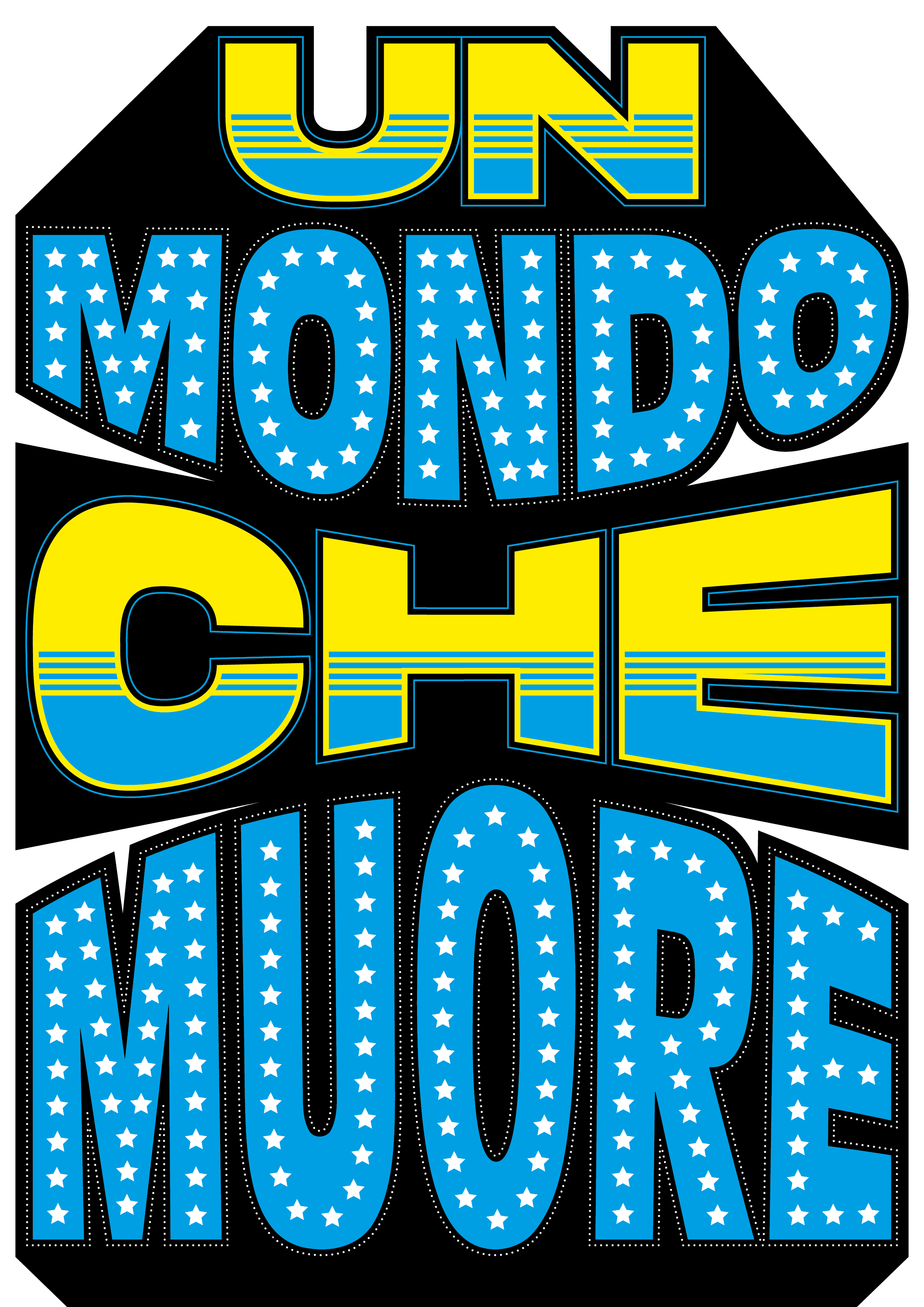
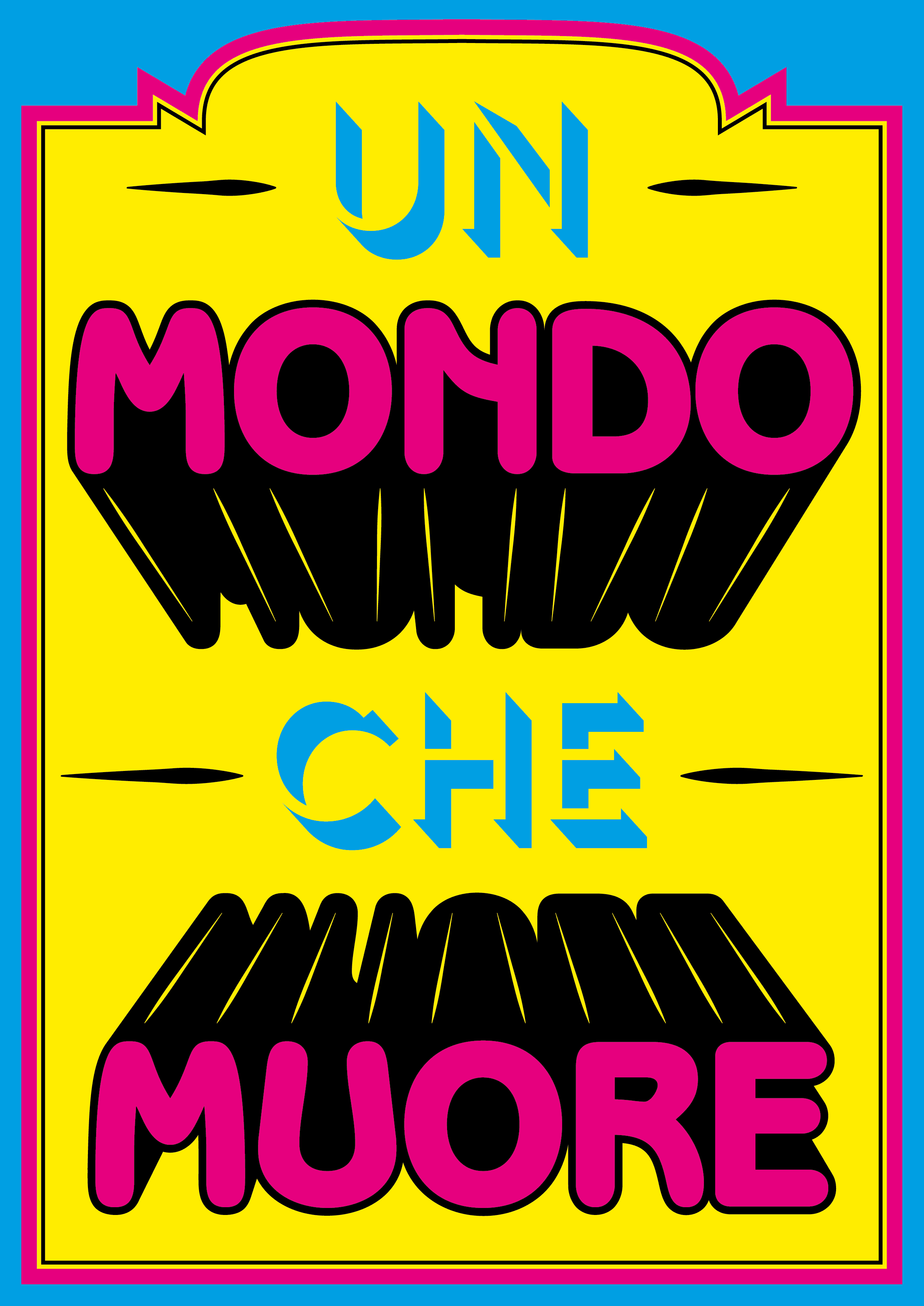
We developed the four posters through extensive research and iterative testing, refining the typographic compositions for large-format application. They were later produced as large-scale hand screen prints for Knust Kunz Gallery Editions. The final works translate Nicolai’s conceptual approach into a precise yet theatrical visual language. They function not as announcements but as autonomous graphic works that hold tension between clarity and spectacle.
The project at MACRO focuses on the 1967 televised encounter between Pier Paolo Pasolini and Ezra Pound — a meeting shaped by ideological opposition, yet unfolding as an unexpected gesture of recognition. What could have been a confrontation became a staged moment of fragile reconciliation, oscillating between distance and proximity, critique and acknowledgment.
Olaf Nicolai responds to this ambivalent constellation by translating the conversation into a typographic staging. He draws on its unstable tone, poised between intellectual exchange and performative spectacle, and extends it through a short text about two clowns. The work reframes the encounter as a constructed scene in which meaning emerges through form, rhythm, and subtle shifts in tone.
We developed the four posters through extensive research and iterative testing, refining the typographic compositions for large-format application. They were later produced as large-scale hand screen prints for Knust Kunz Gallery Editions. The final works translate Nicolai’s conceptual approach into a precise yet theatrical visual language. They function not as announcements but as autonomous graphic works that hold tension between clarity and spectacle.
Credits
Photography
Piercarlo Quecchia – DSL Studio
Credits
Photography
Piercarlo Quecchia – DSL Studio