Para-Moderne
Catalog
Client
Client
Bundeskunsthalle
Bundeskunsthalle
SECTOR
SECTOR
Art & Culture
Art & Culture
SERVICE
SERVICE
Editorial Design
Editorial Design
Year
Year
2025
2025
About
About
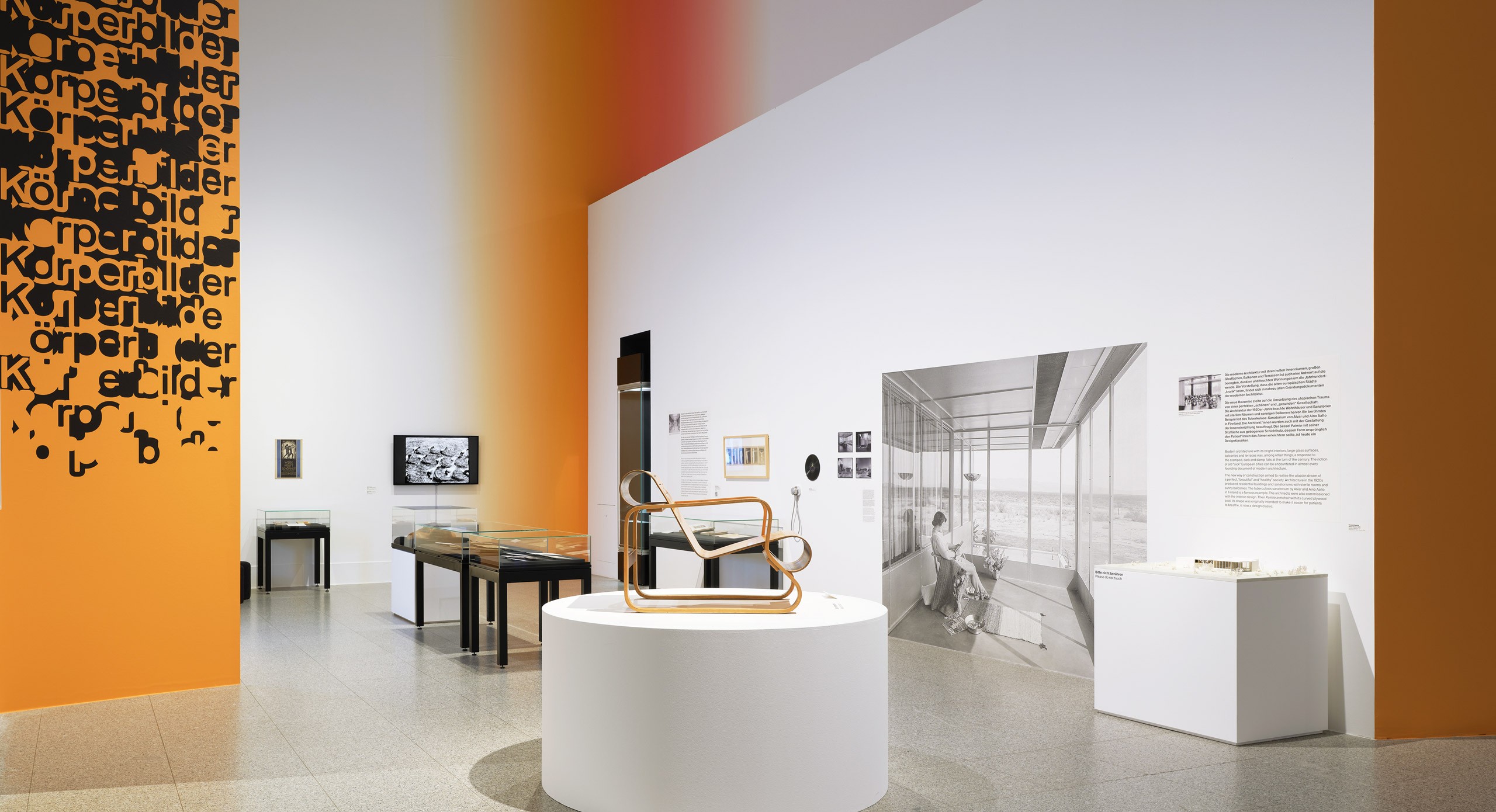
Around 1900, the idea of freedom drove a generation to question bourgeois norms, industrial society, and capitalist structures. Many sought alternative ways of living — founding reform colonies outside the cities and pursuing a life aligned with nature, health, physical culture, and spirituality. These ambitions shaped not only new social models, but also a distinct aesthetic language that forms the conceptual foundation of the exhibition Para-Modernism at the Bundeskunsthalle in Bonn.
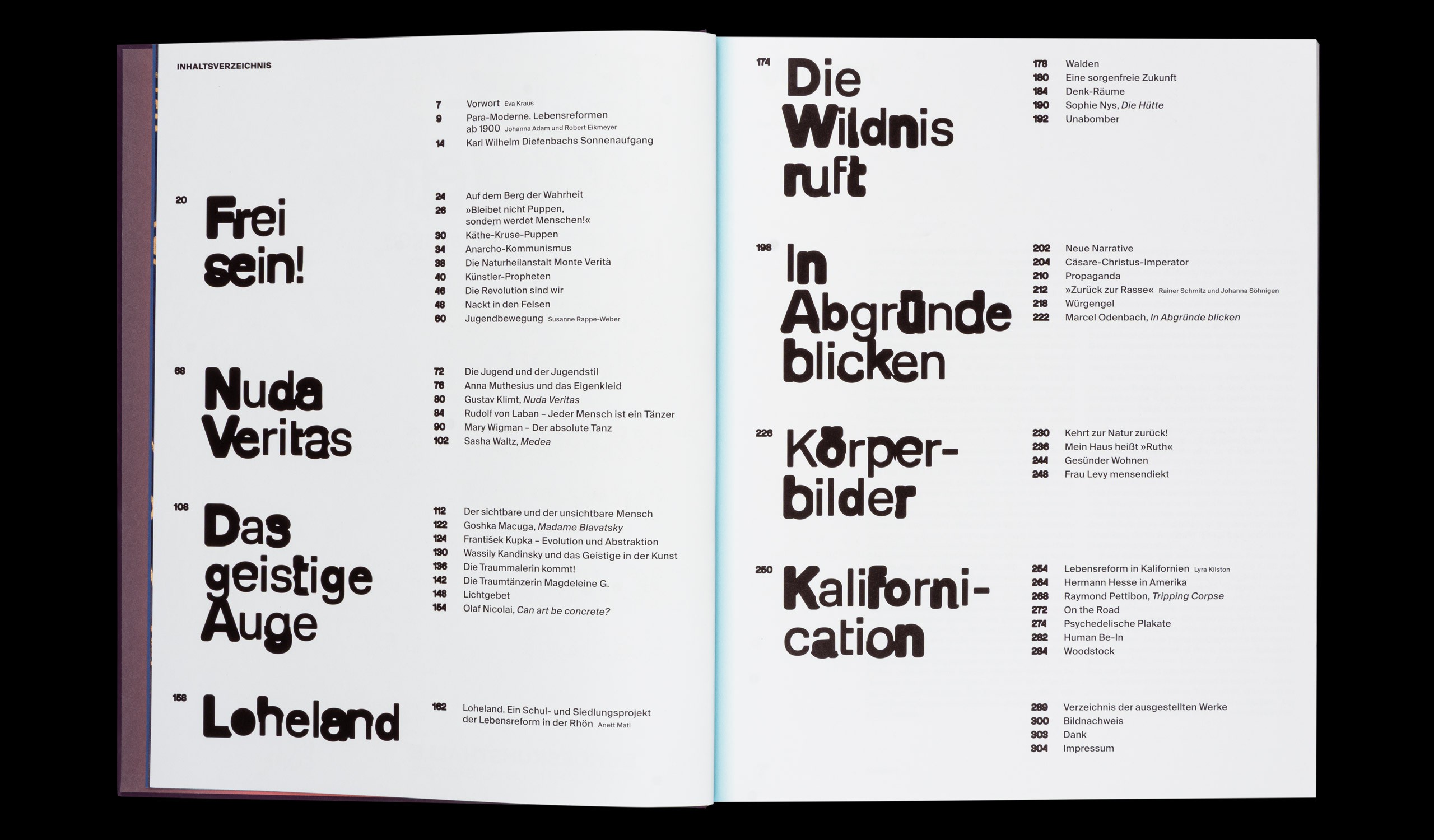
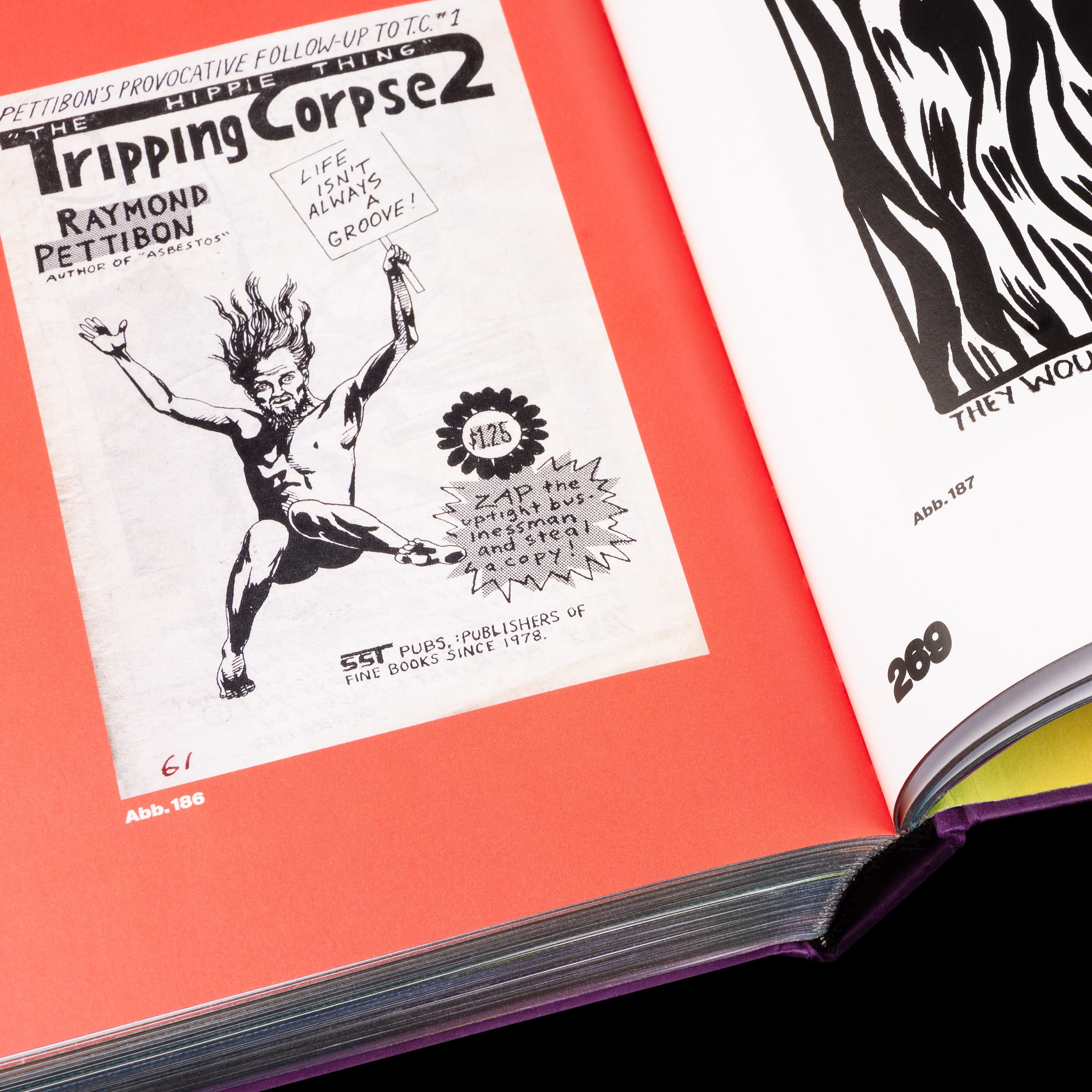
The exhibition catalogue extends this perspective across eight thematic chapters, tracing the ideals of the life reform movement throughout the 20th century. It connects developments in art, design, and everyday culture with contemporary debates on sustainability, health, and the common good, while also addressing links to American counterculture and critically examining ideological currents rooted in ethnic nationalism and body politics.
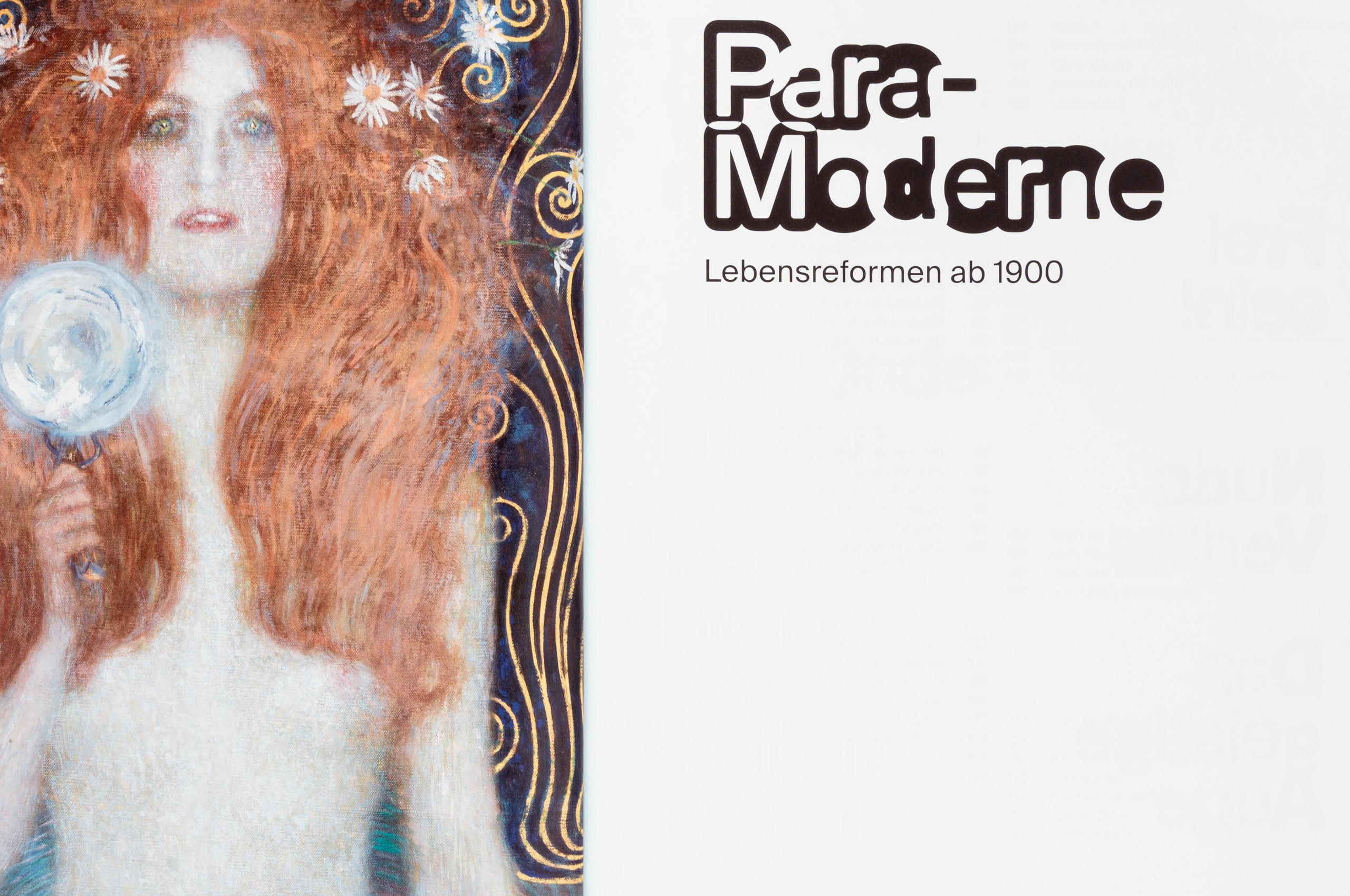
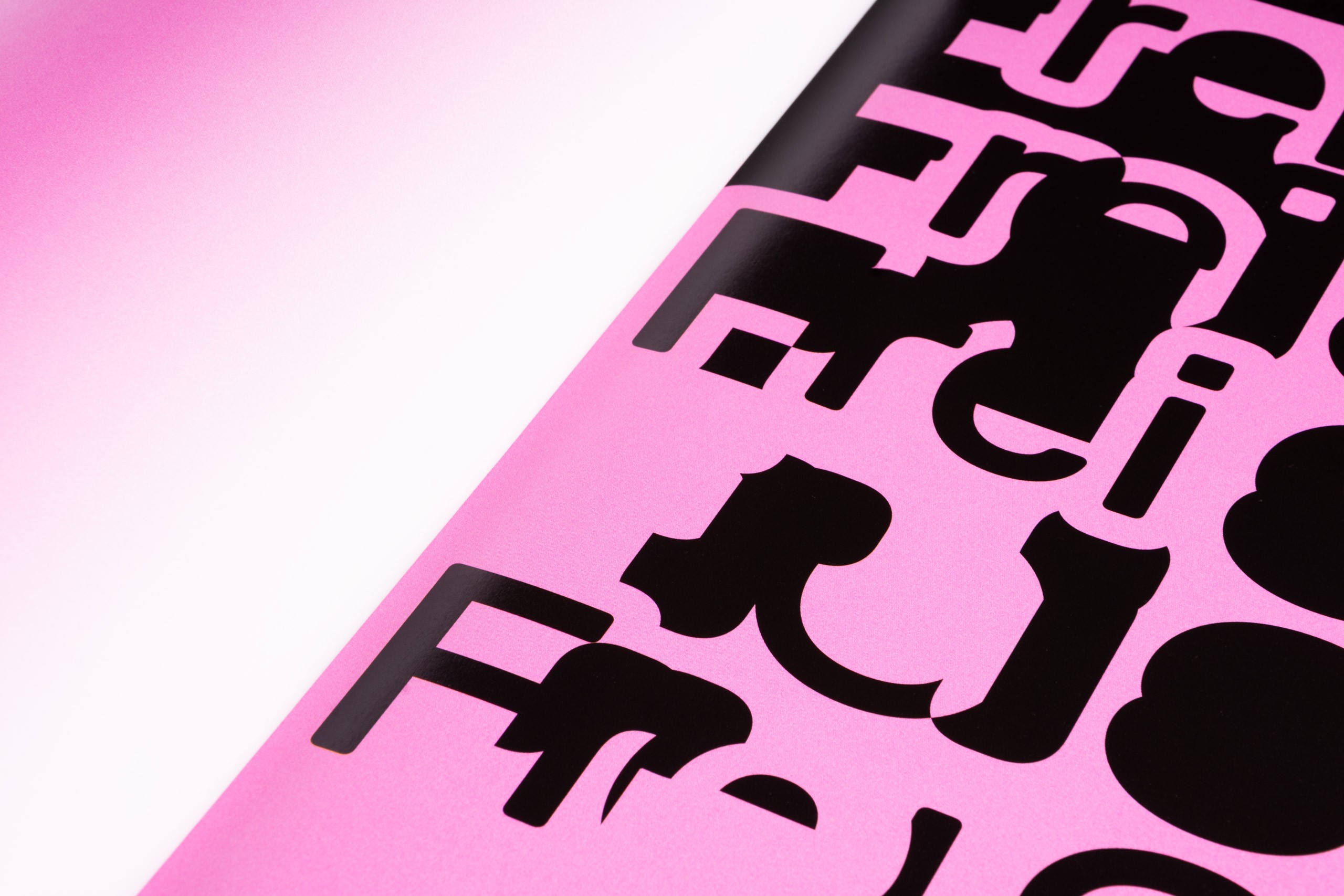
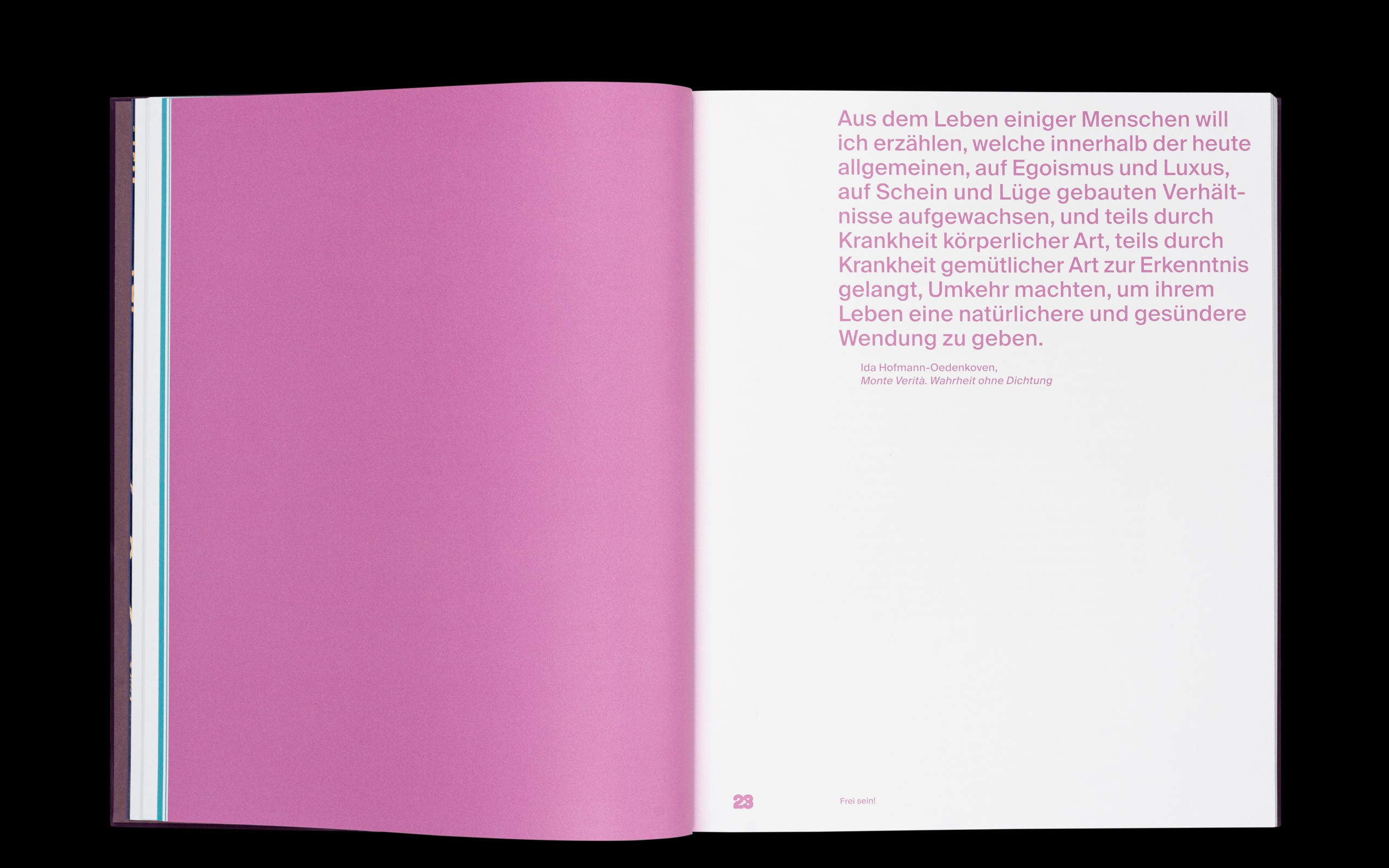
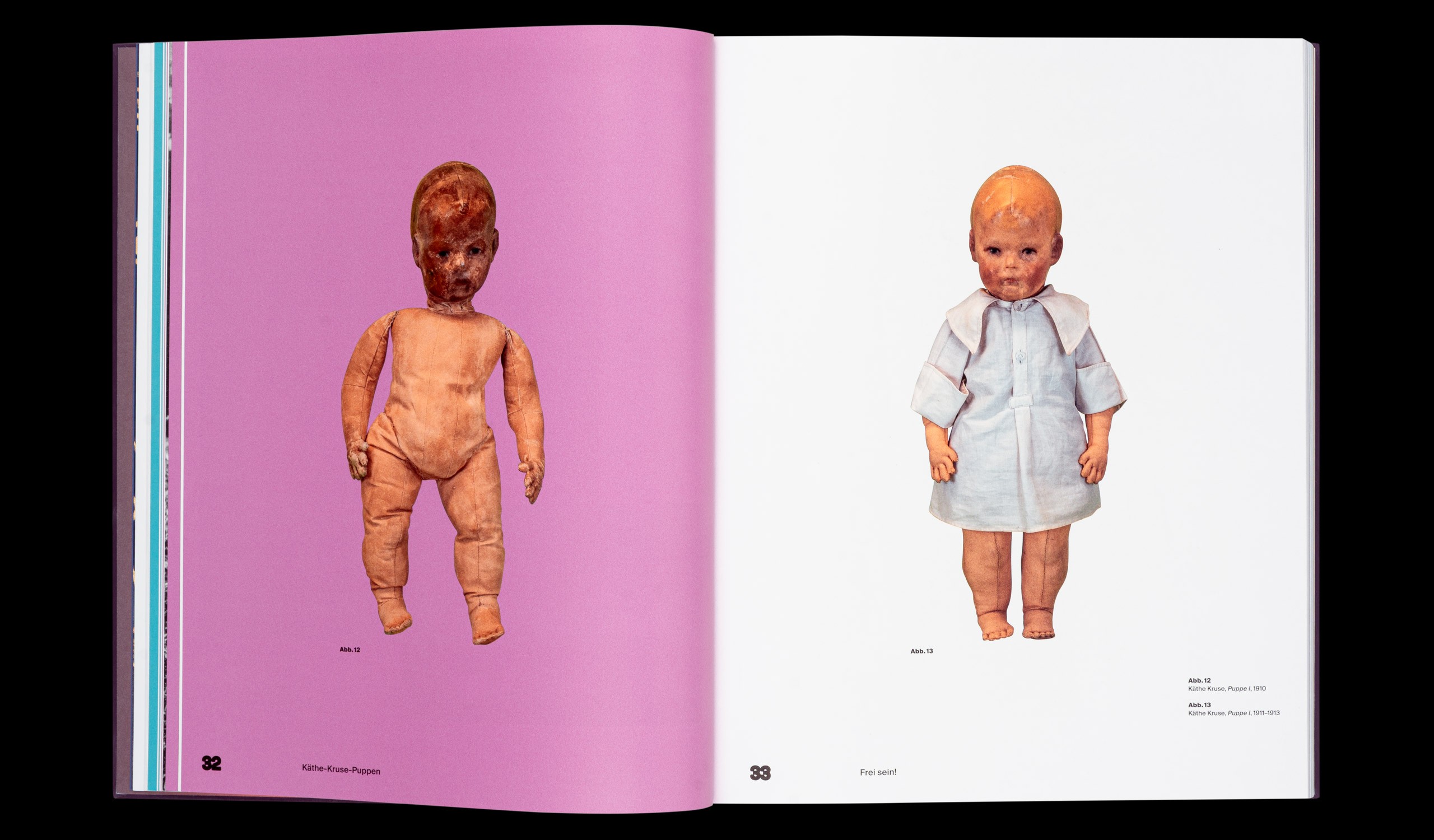
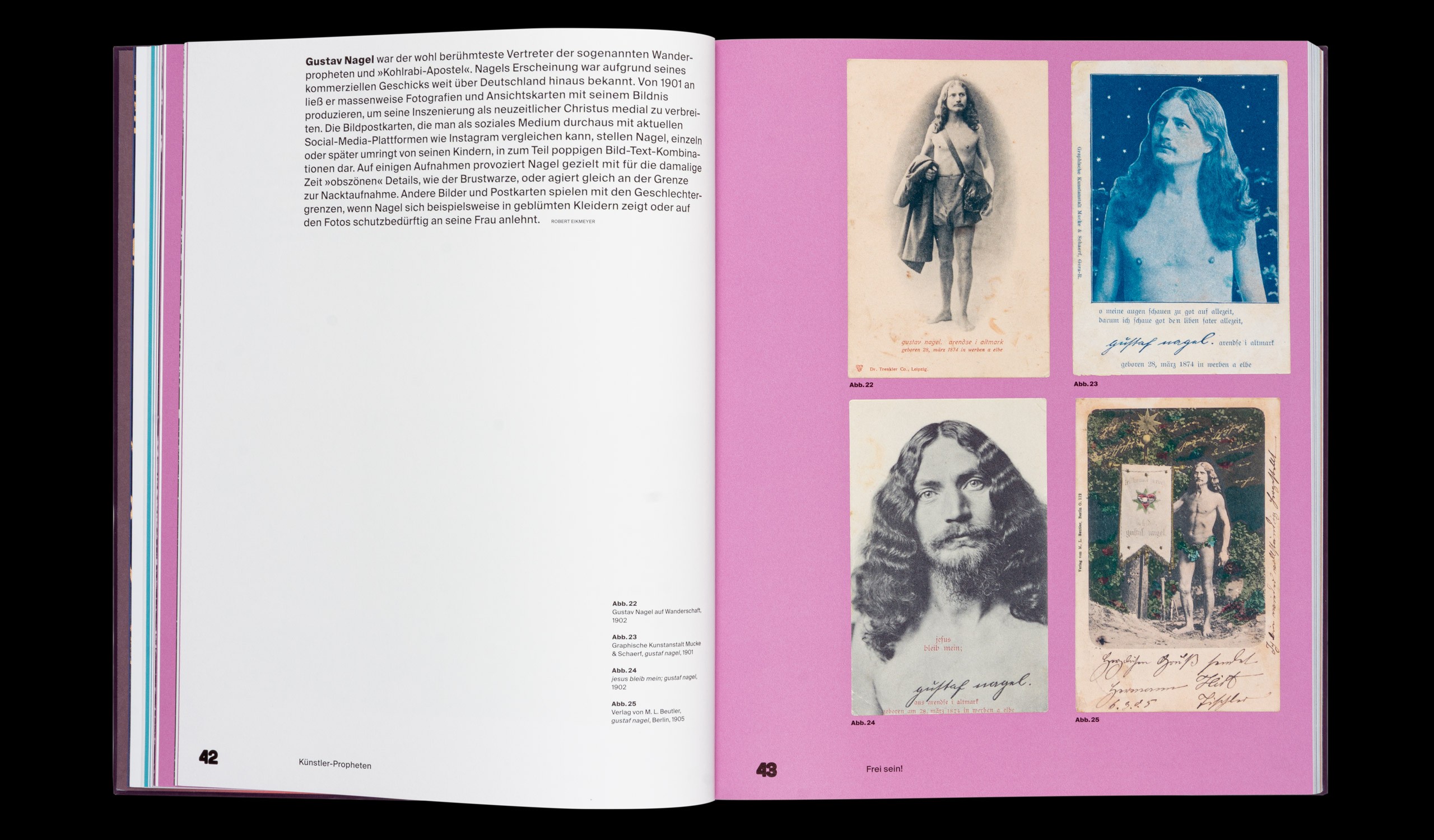
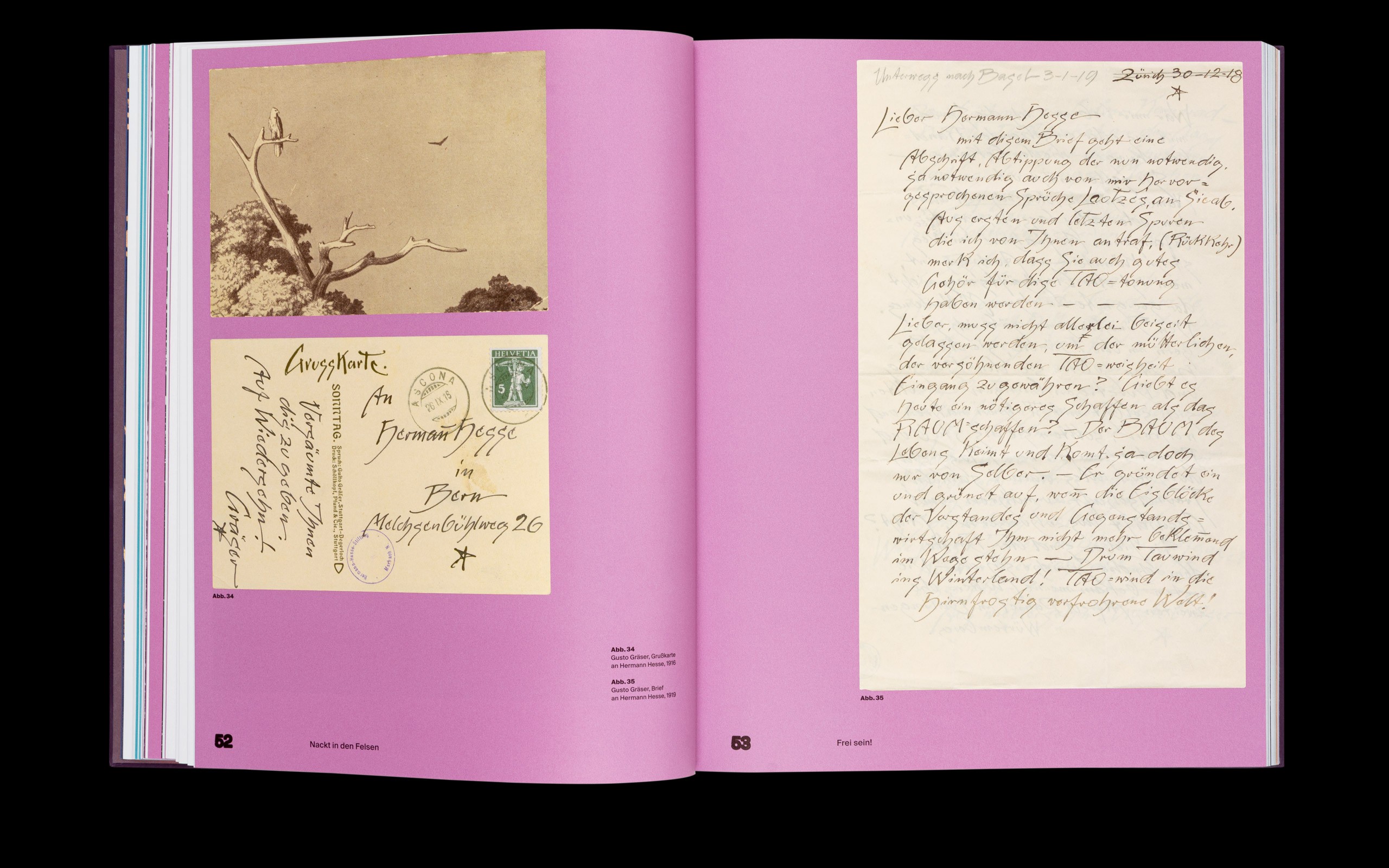
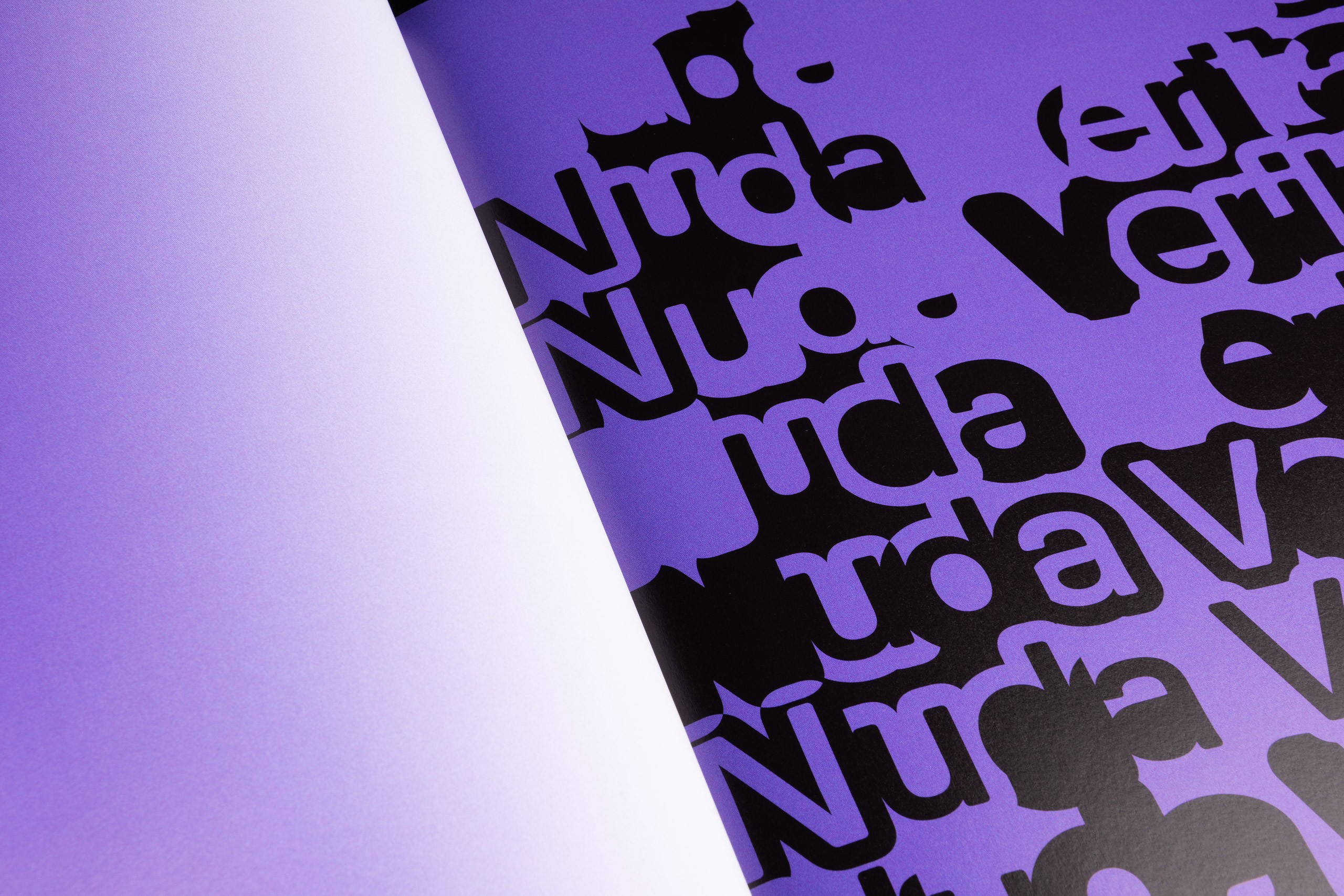
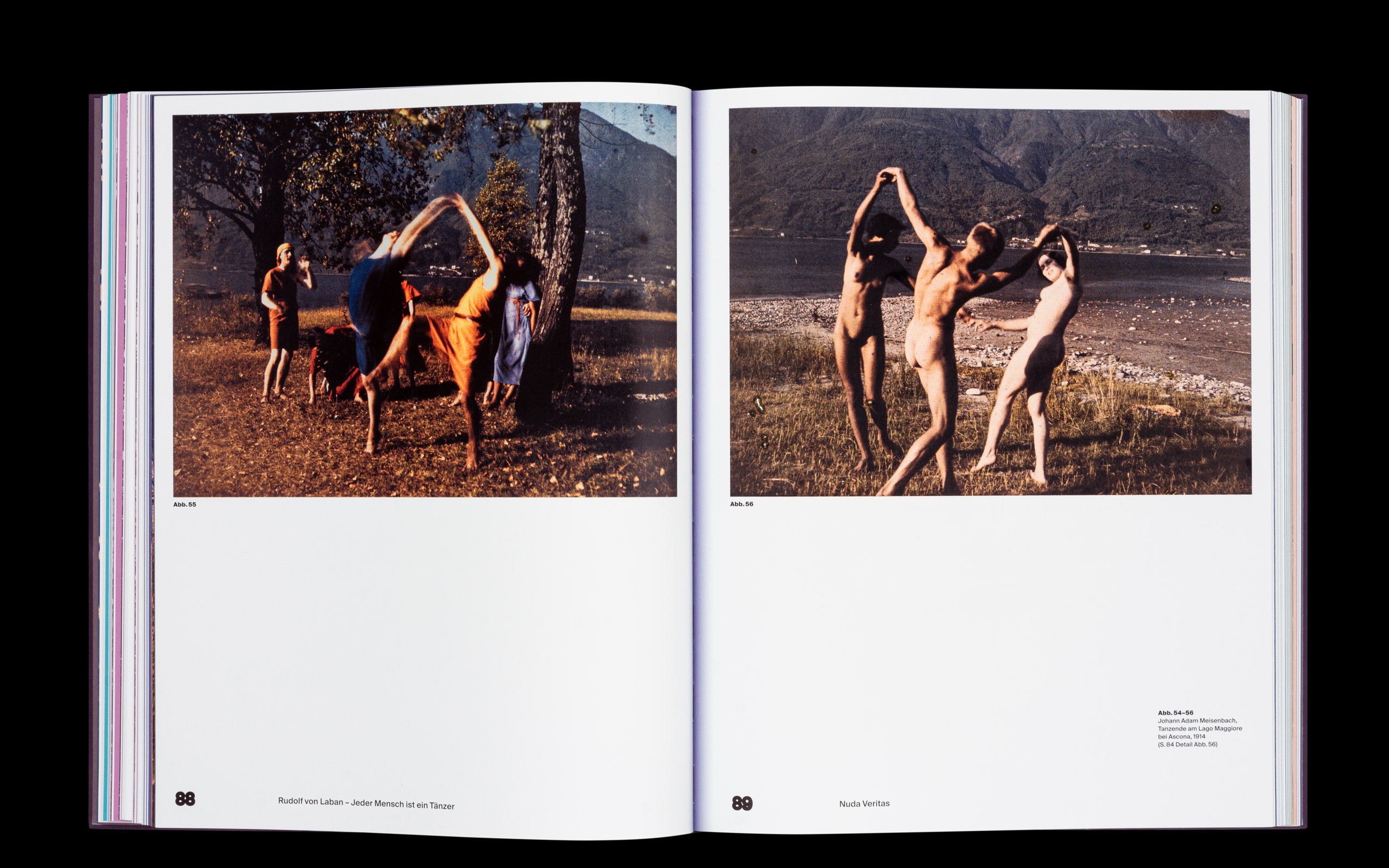
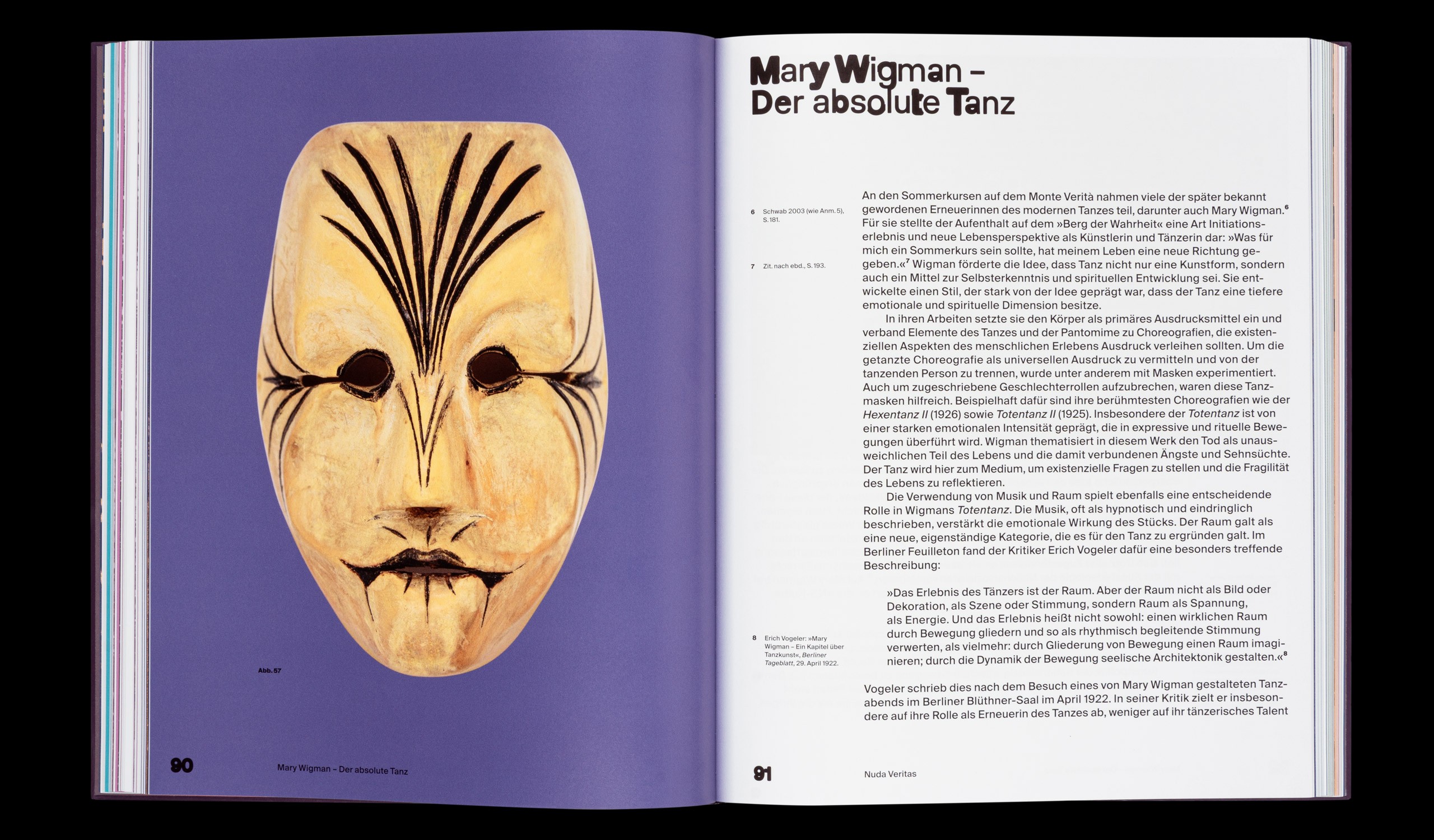
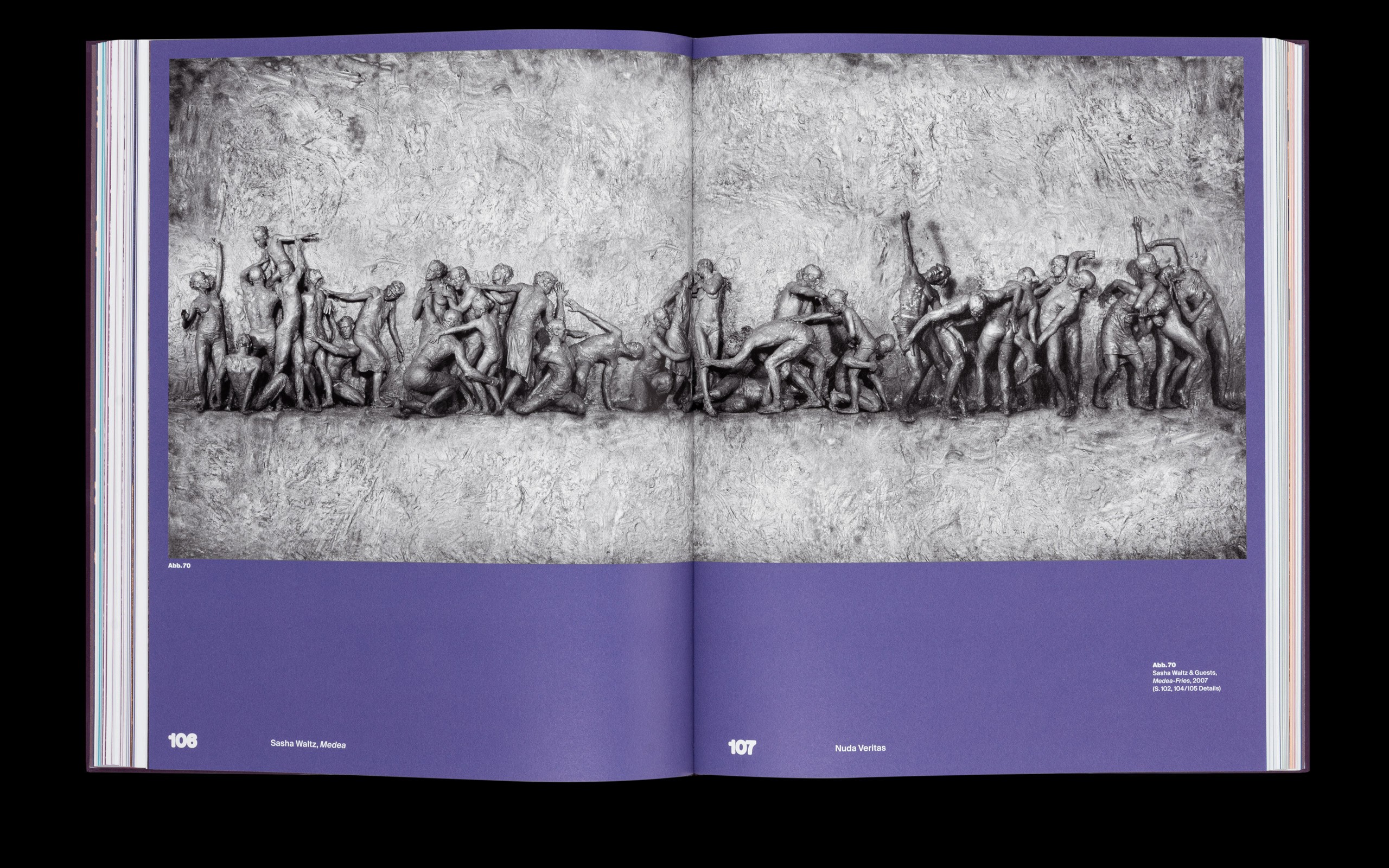
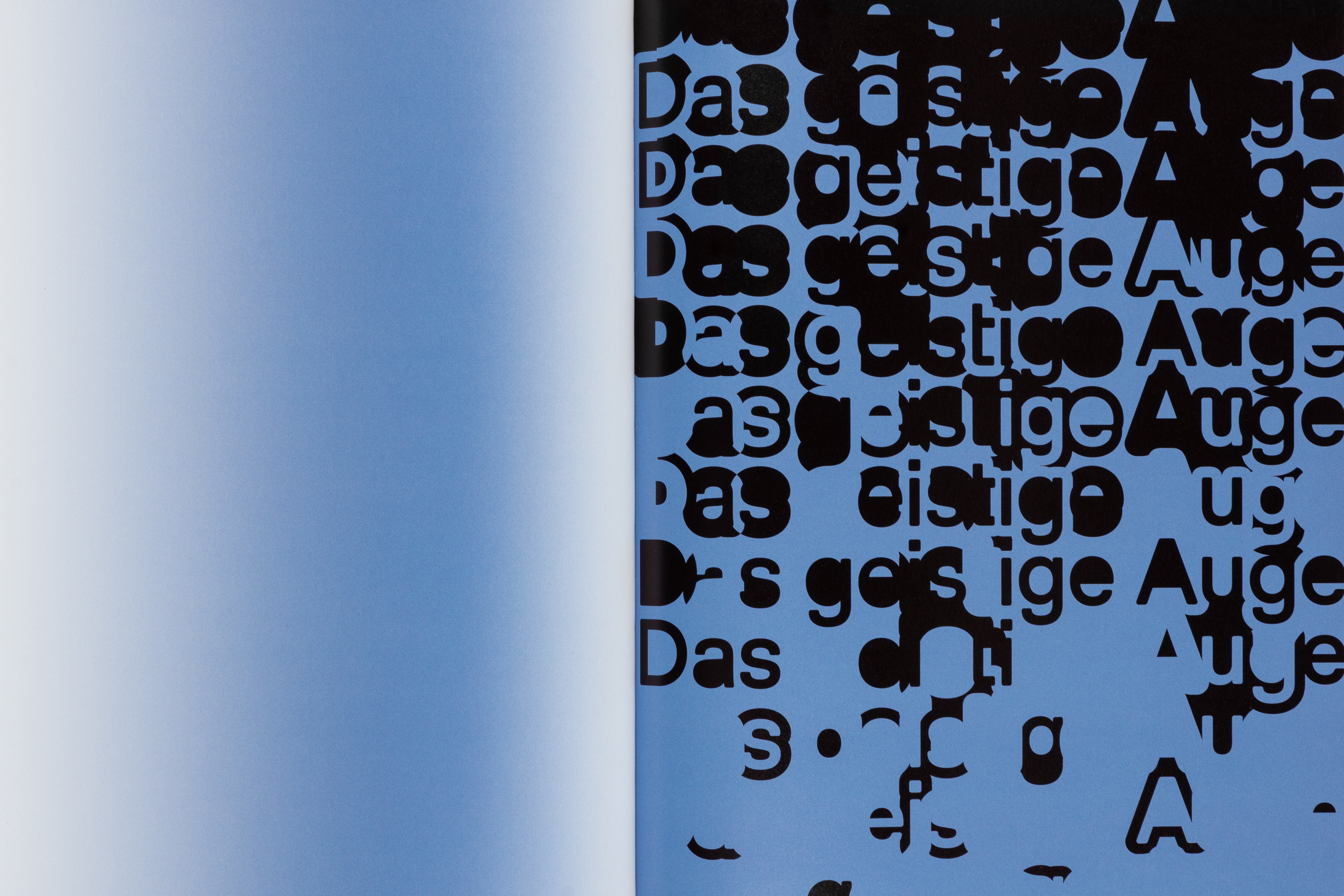
Published by Hatje Cantz, the 304-page catalogue is conceived as a richly illustrated, highly structured compendium. We designed the publication as a visual and intellectual navigation system through the exhibition’s eight chapters. The design emphasizes continuity and contrast, allowing historical material and contemporary reflection to coexist without hierarchy.
Rather than functioning as a mere documentation, the catalogue operates as an independent design object: precise in structure, generous in imagery, and confident in tone. It translates the exhibition’s complex historical narrative into a clear editorial system — positioning Para-Modernism not as a closed chapter of the past, but as an ongoing cultural condition that has long since entered the center of contemporary society.
Around 1900, the idea of freedom drove a generation to question bourgeois norms, industrial society, and capitalist structures. Many sought alternative ways of living — founding reform colonies outside the cities and pursuing a life aligned with nature, health, physical culture, and spirituality. These ambitions shaped not only new social models, but also a distinct aesthetic language that forms the conceptual foundation of the exhibition Para-Modernism at the Bundeskunsthalle in Bonn.
The exhibition catalogue extends this perspective across eight thematic chapters, tracing the ideals of the life reform movement throughout the 20th century. It connects developments in art, design, and everyday culture with contemporary debates on sustainability, health, and the common good, while also addressing links to American counterculture and critically examining ideological currents rooted in ethnic nationalism and body politics.
Published by Hatje Cantz, the 304-page catalogue is conceived as a richly illustrated, highly structured compendium. We designed the publication as a visual and intellectual navigation system through the exhibition’s eight chapters. The design emphasizes continuity and contrast, allowing historical material and contemporary reflection to coexist without hierarchy.
Rather than functioning as a mere documentation, the catalogue operates as an independent design object: precise in structure, generous in imagery, and confident in tone. It translates the exhibition’s complex historical narrative into a clear editorial system — positioning Para-Modernism not as a closed chapter of the past, but as an ongoing cultural condition that has long since entered the center of contemporary society.


Credits
Color Concept
Olaf Nicolai
Credits
Color Concept
Olaf Nicolai