Gemeine Plätze
Client
Client
Gemeine Plätze
Gemeine Plätze
SECTOR
SECTOR
Art & Culture
Art & Culture
SERVICE
SERVICE
Editorial Design
Editorial Design
Year
Year
2023
2023
About
About
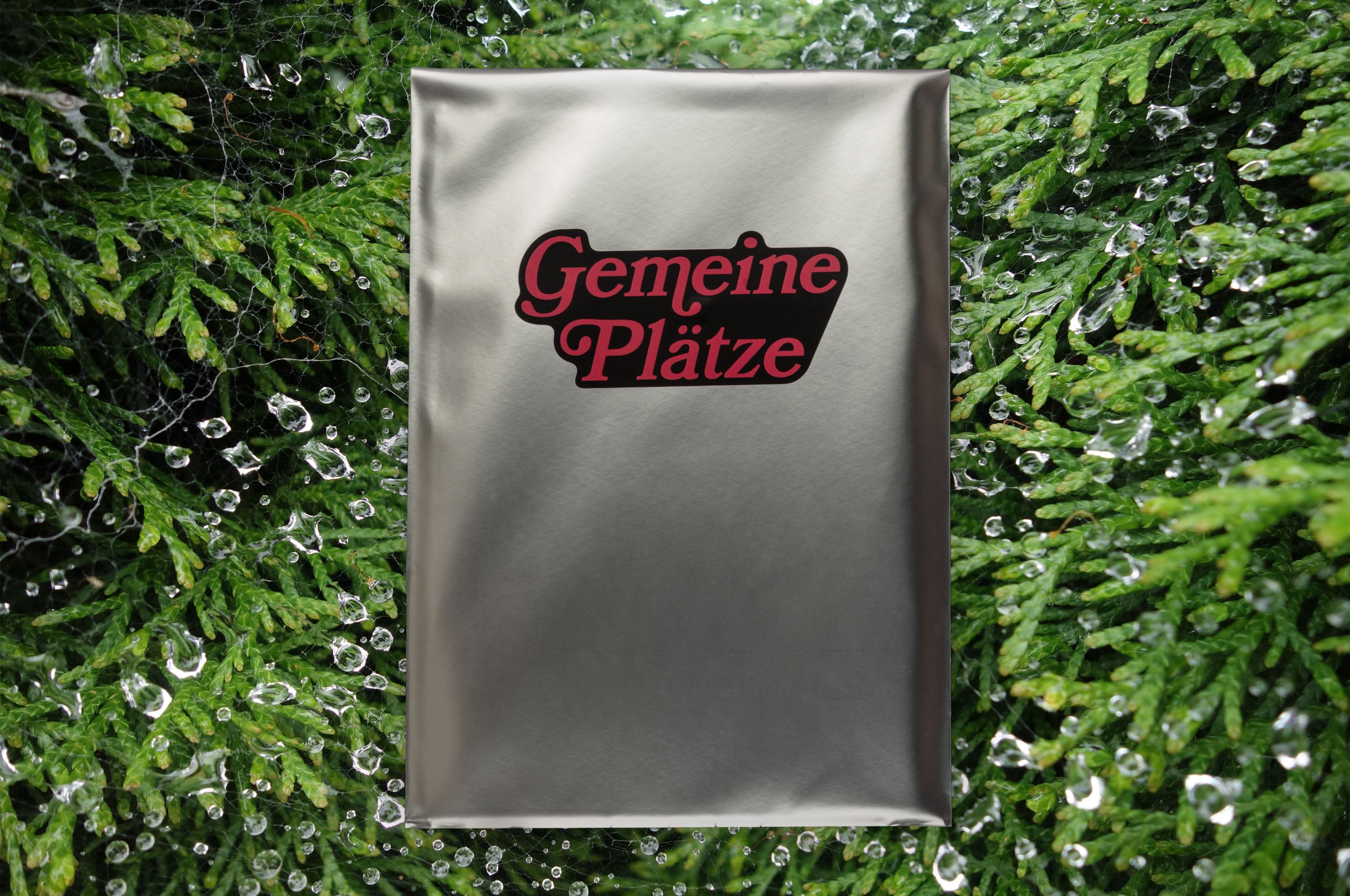
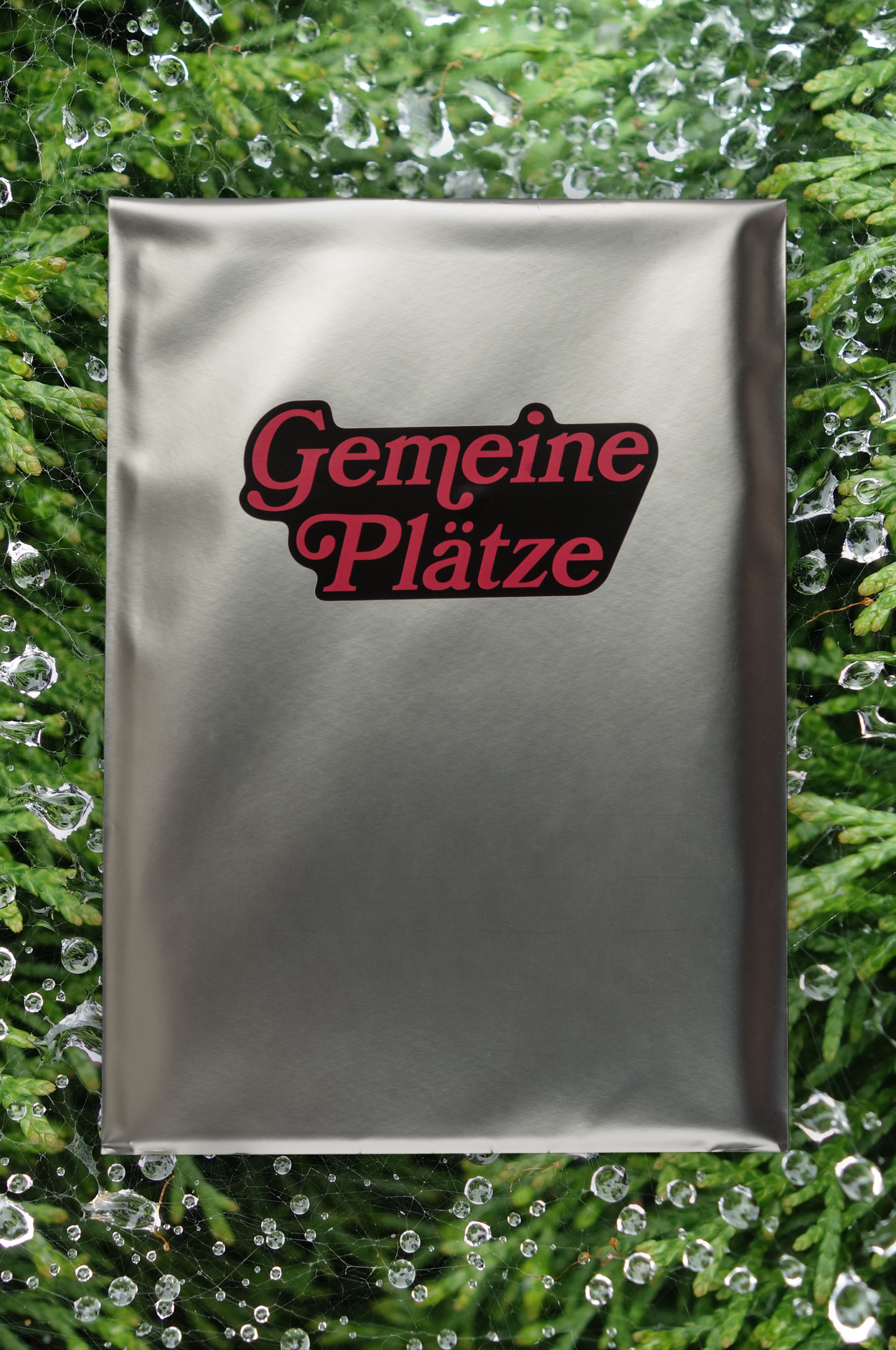
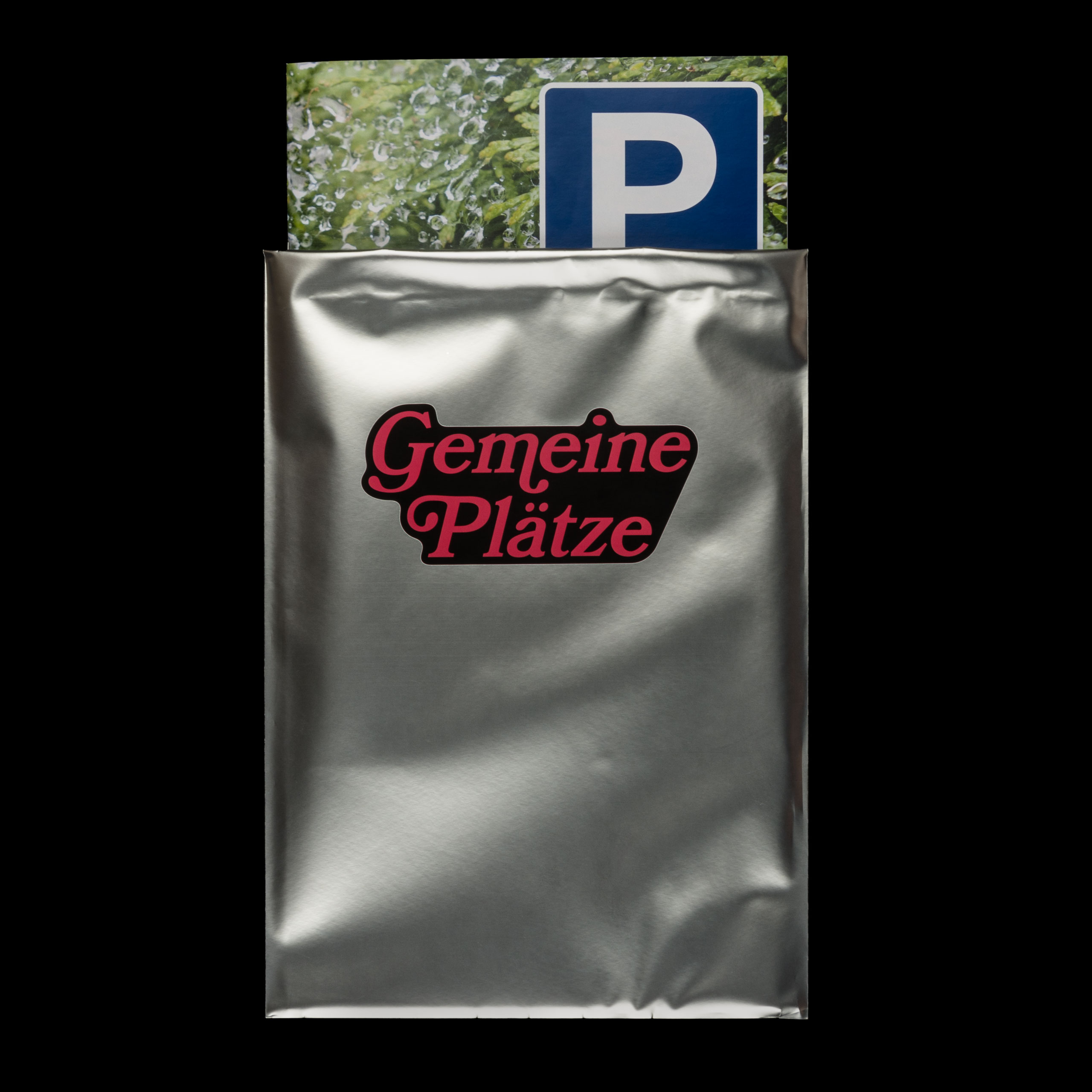
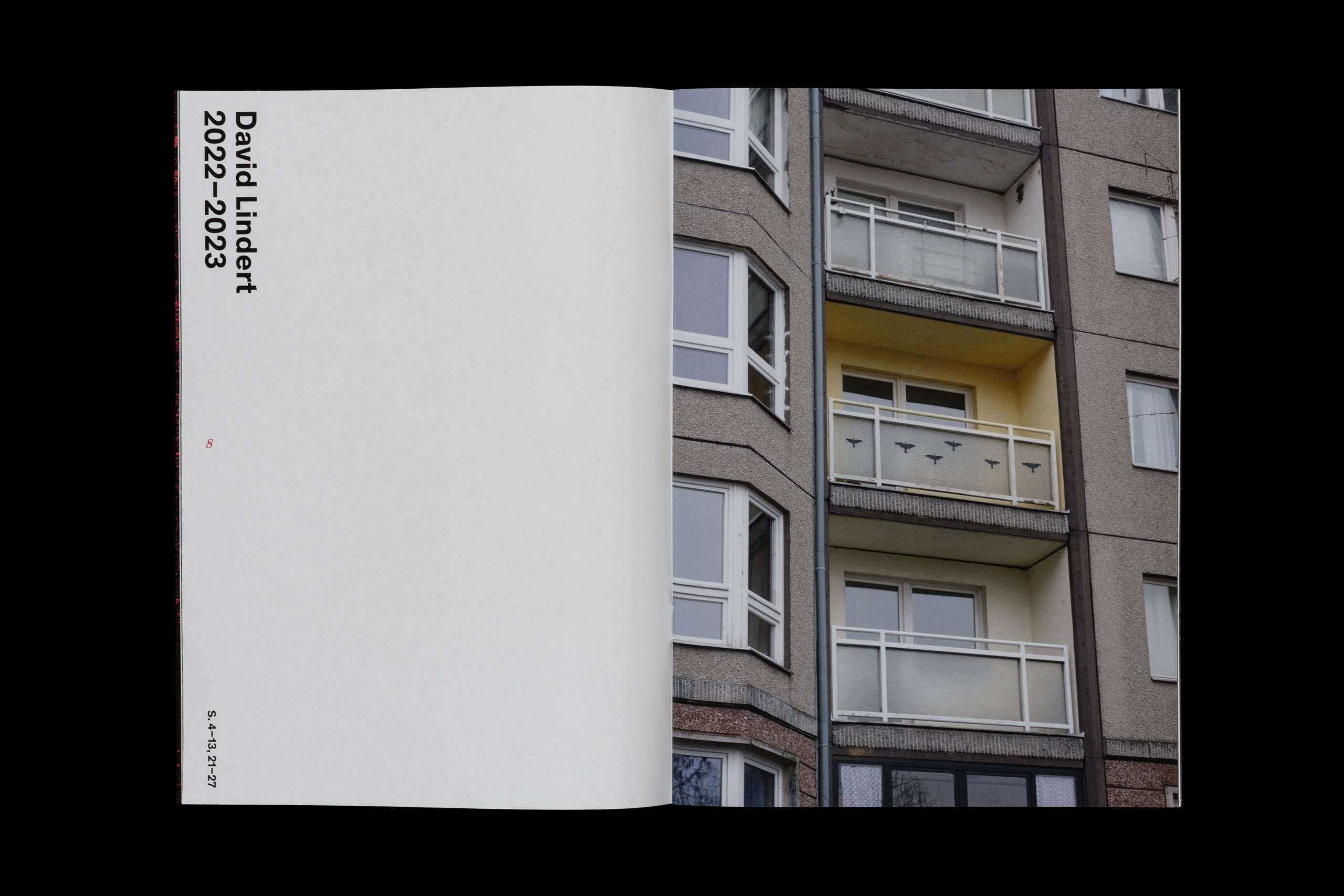
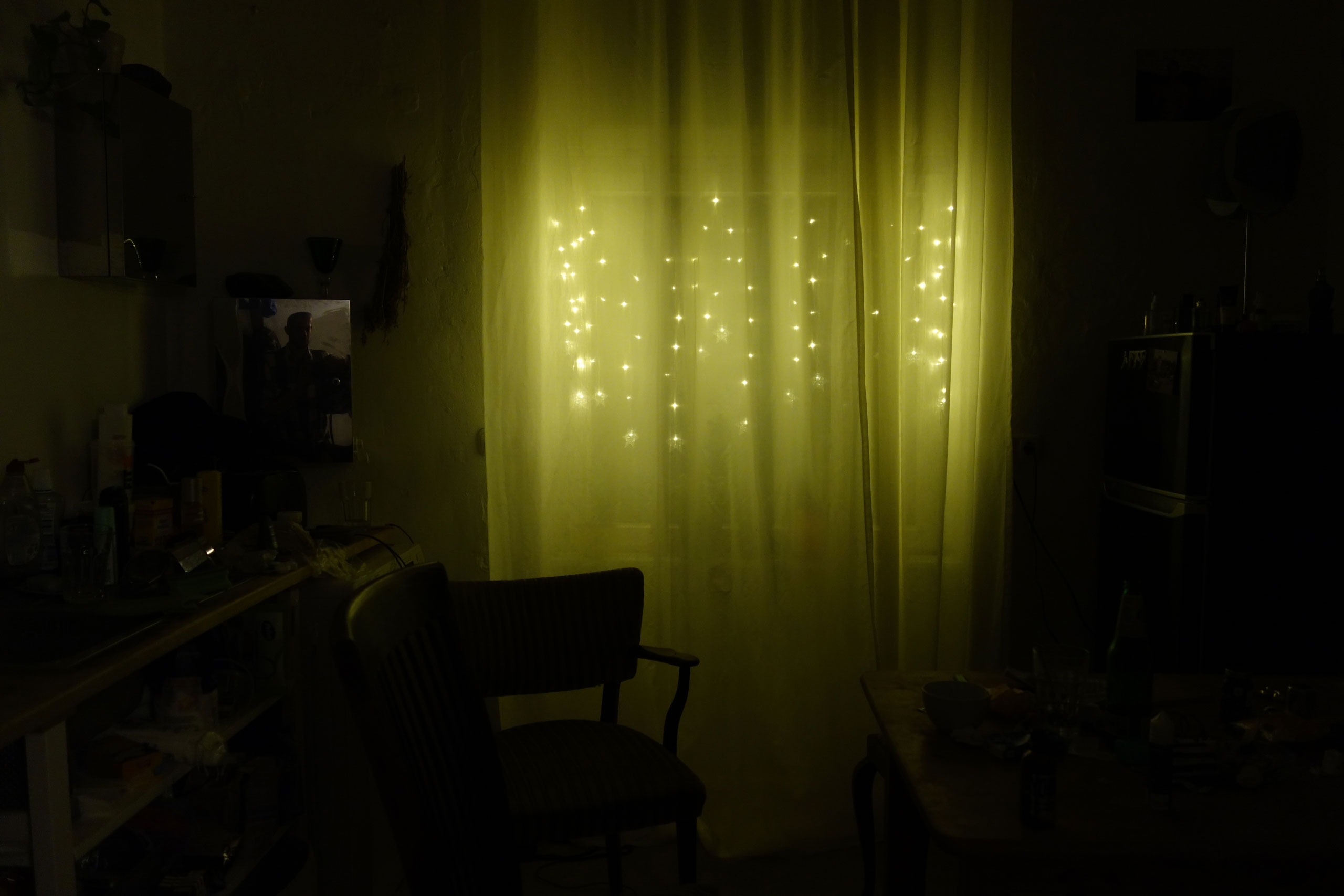
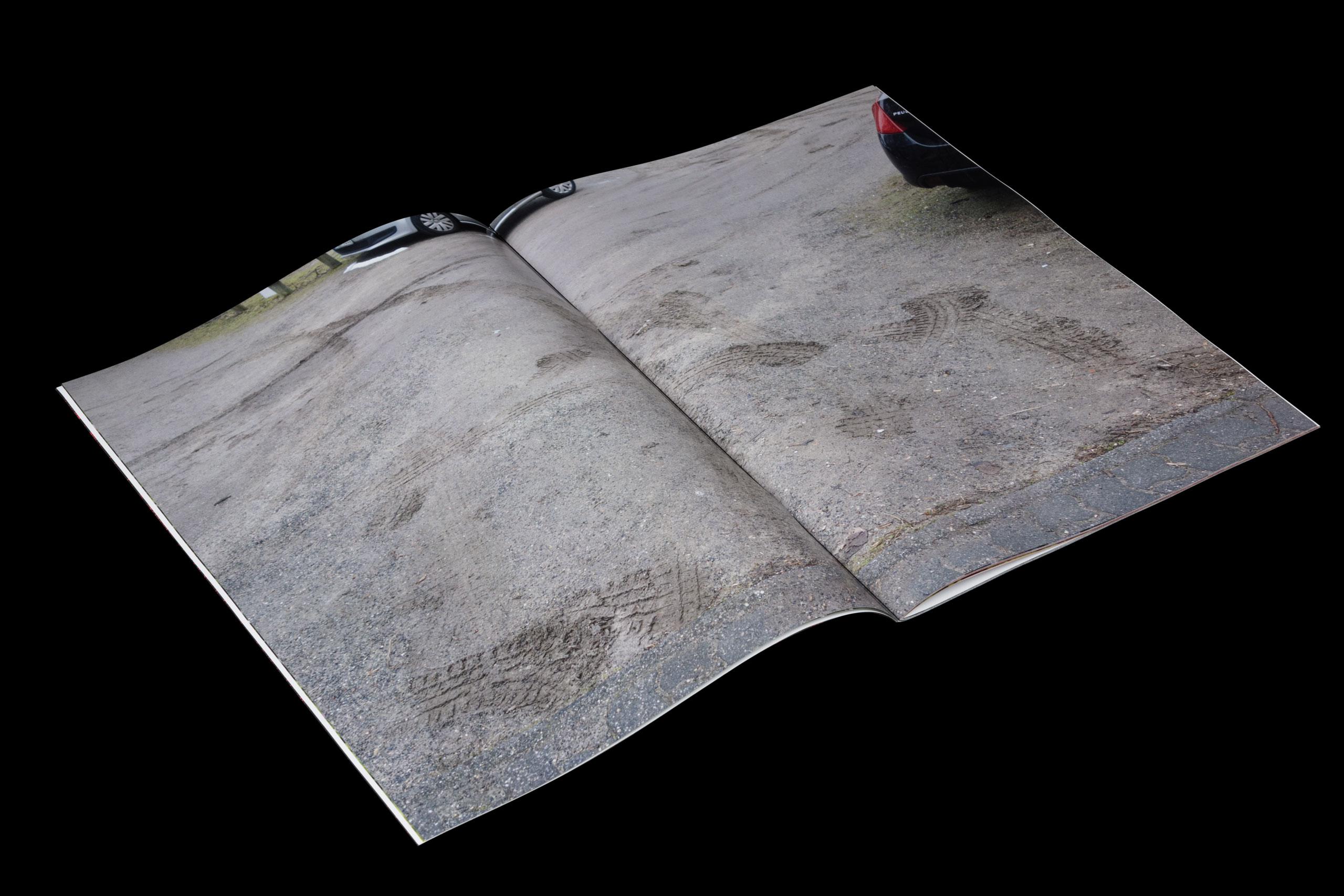
Gemeine Plätze centers on an unpaved parking lot in Berlin-Mitte — surrounded by GDR housing blocks, embassies, and new developments. What appears to be a non-place reveals itself as a highly charged site: located within the former GDR death strip and above Hitler’s former Führerbunker.
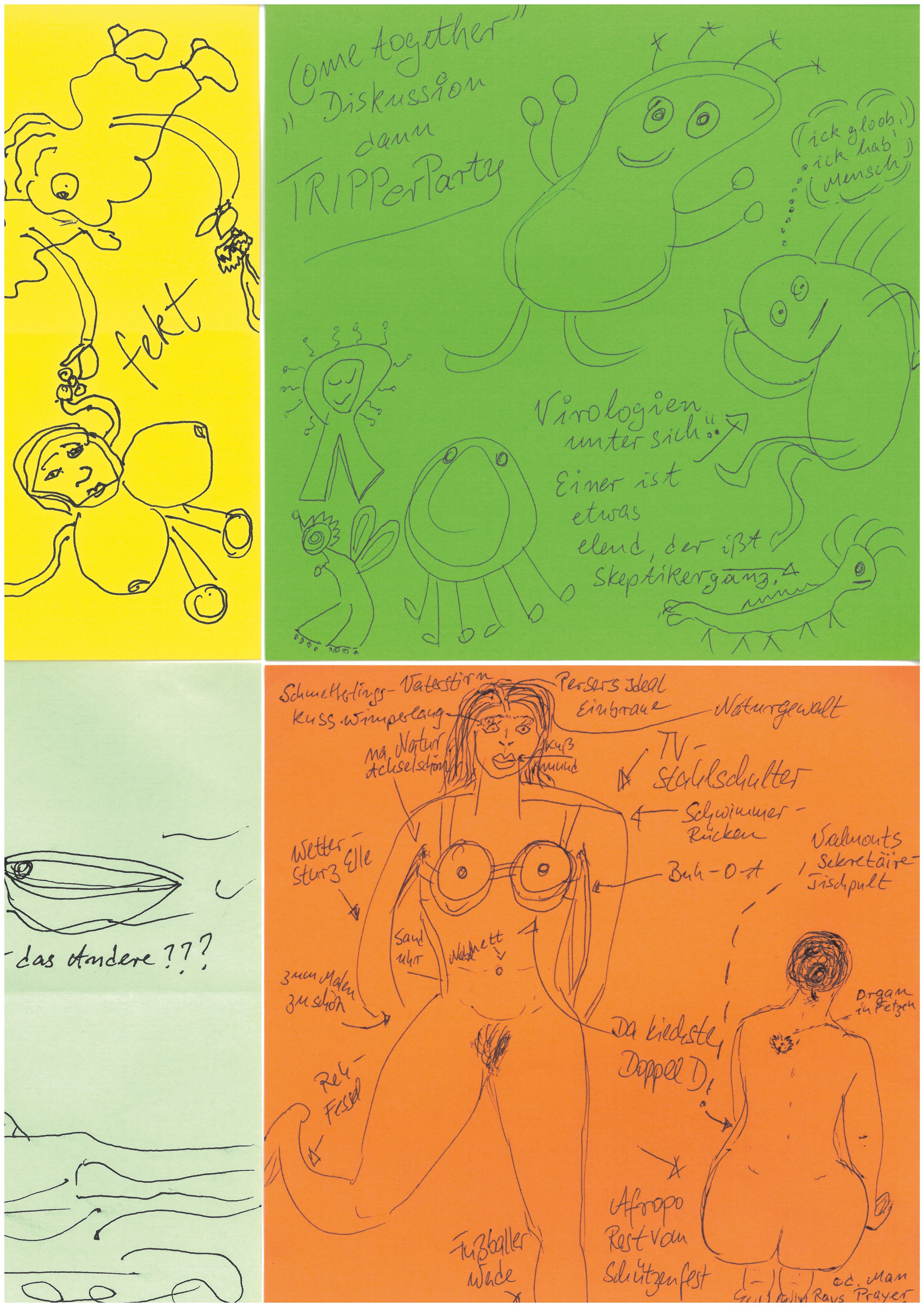
Over eight weeks, the authors Sophia Barthelmes, Ewe Benbenek, and Marcus Peter Tesch developed the project through a collective writing process that understands remembering as a political act — shaped by power, authorship, and access to history. By bringing together queer, feminist, post-migrant, post-socialist, and critical-class perspectives, the text challenges linear historiography in favor of a multi-voiced, horizontal form of collective memory.
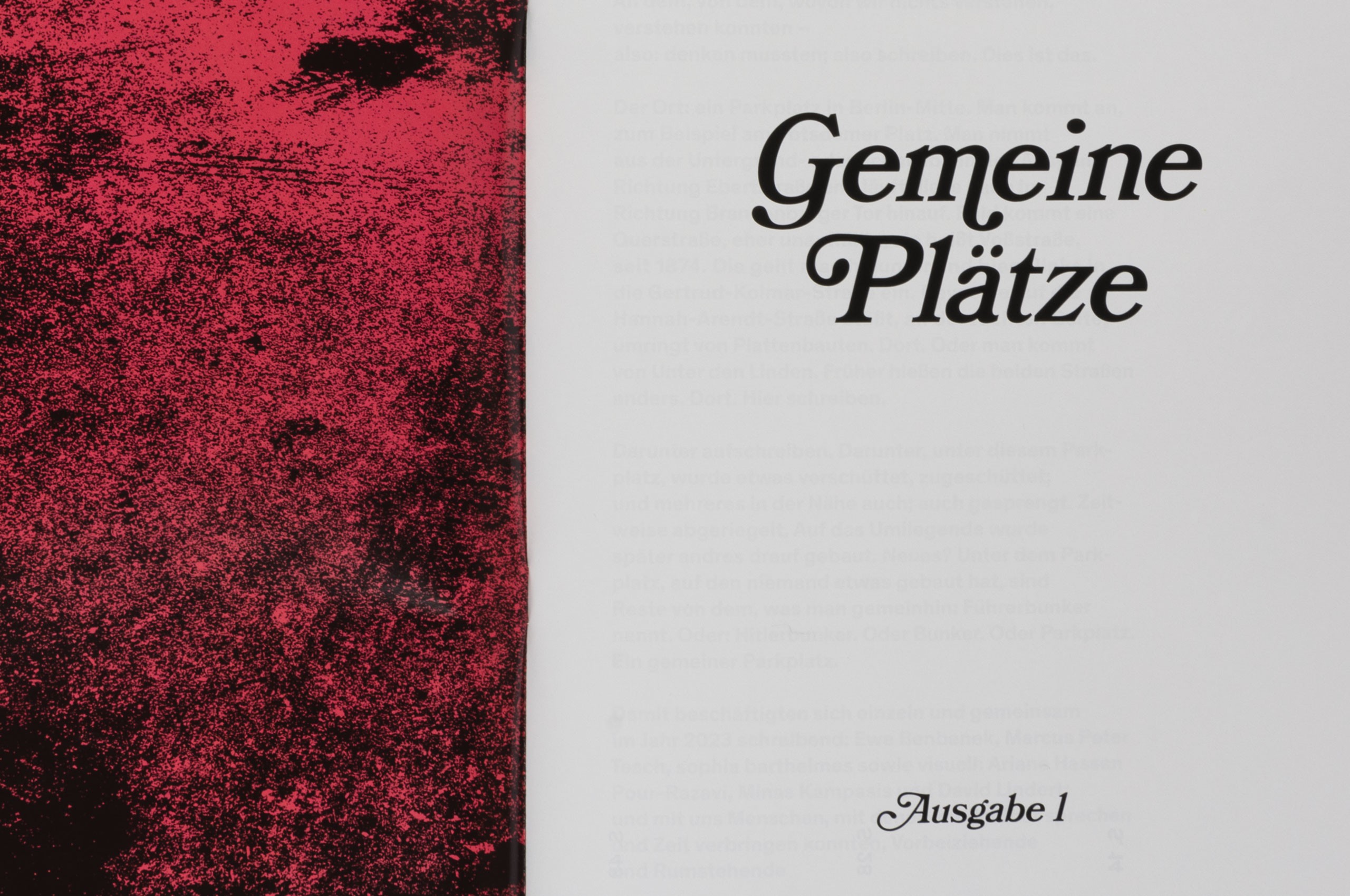
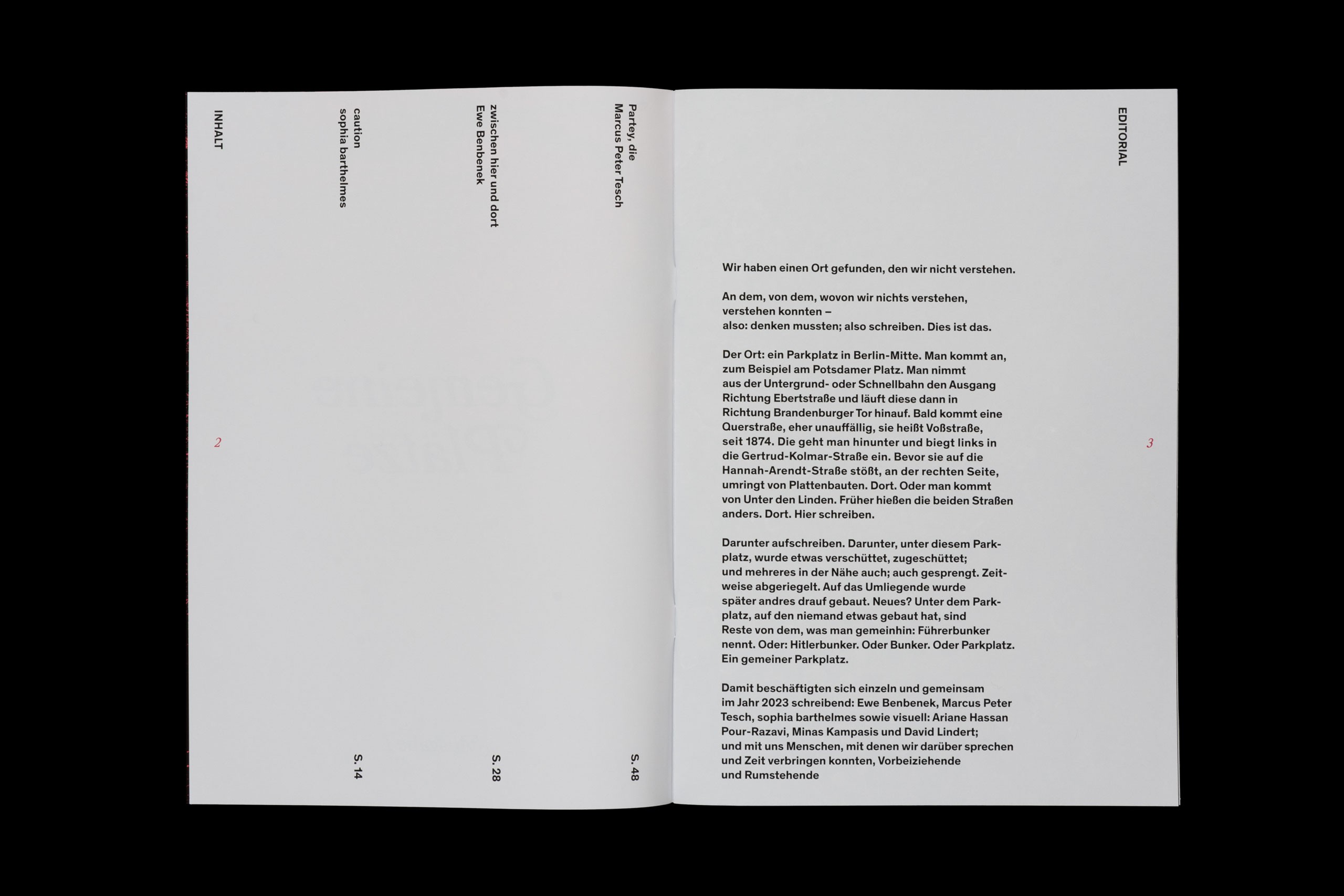
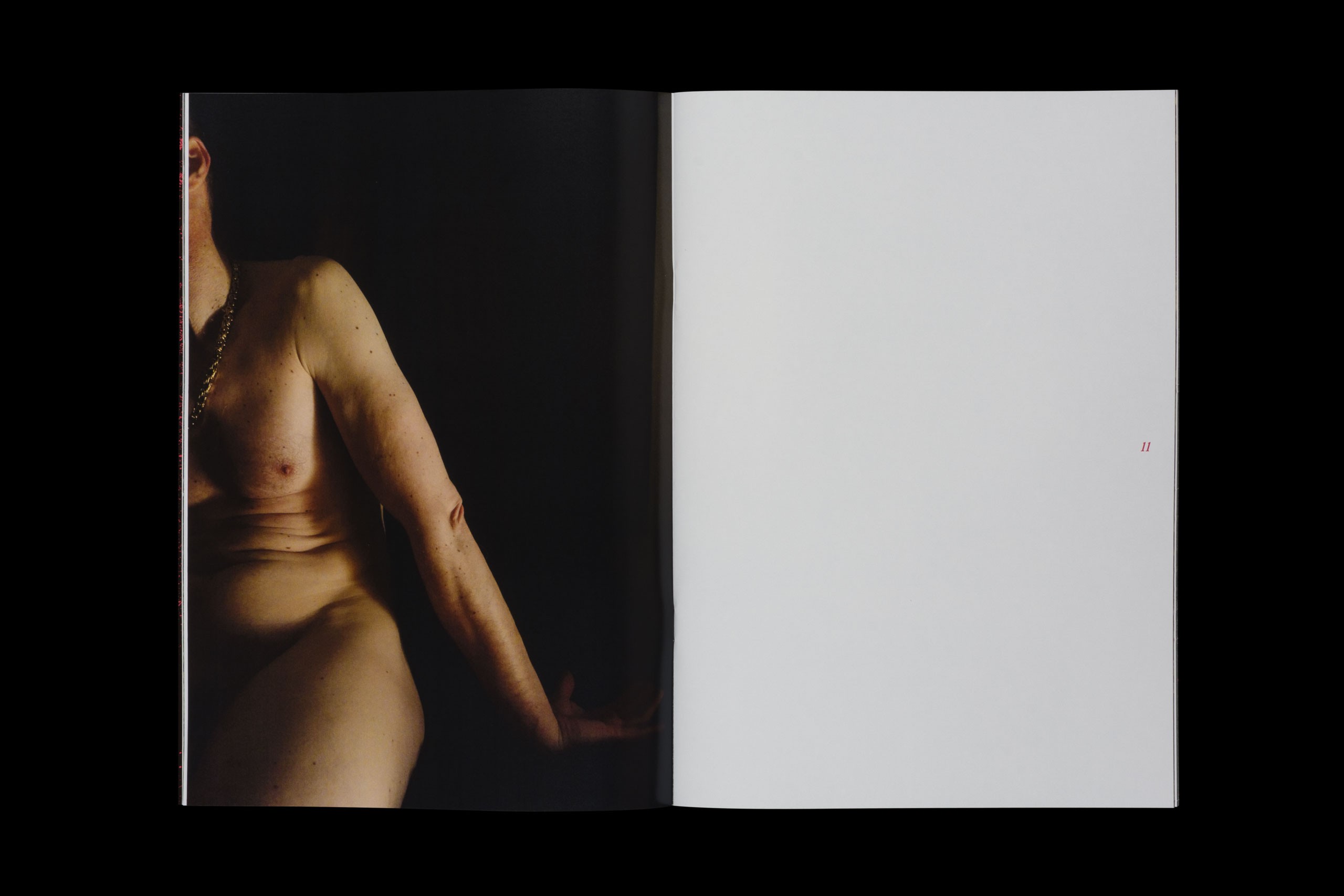
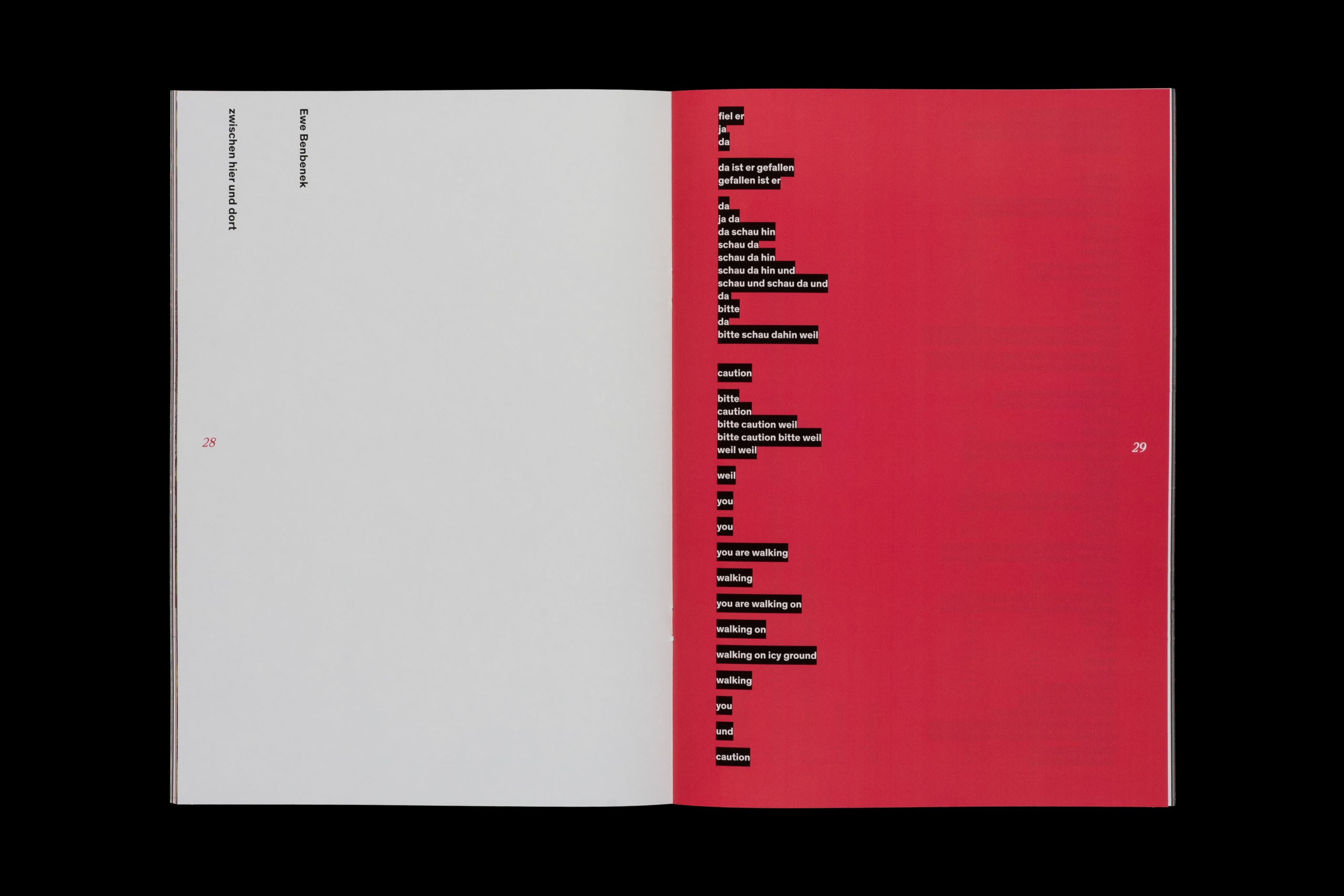
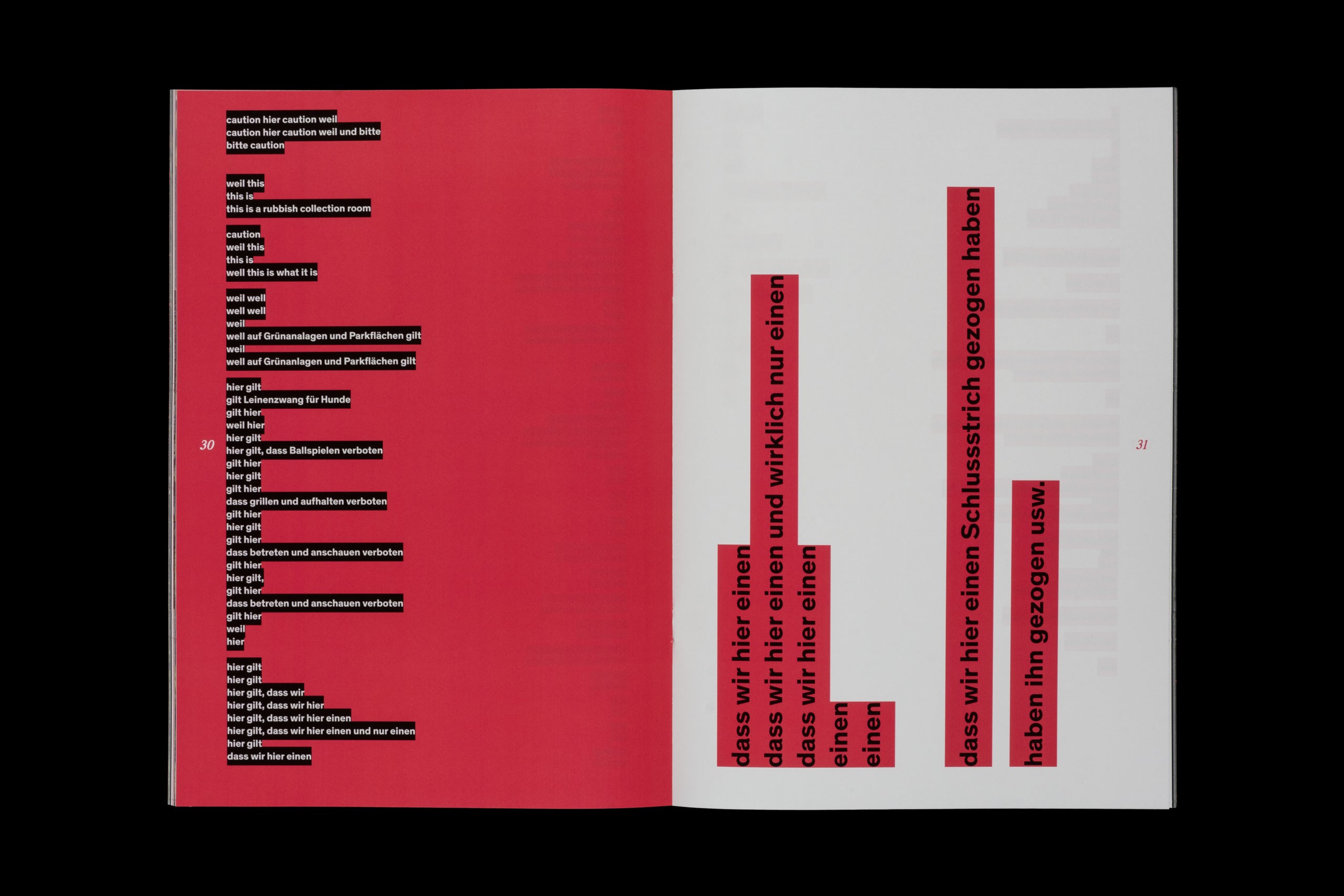
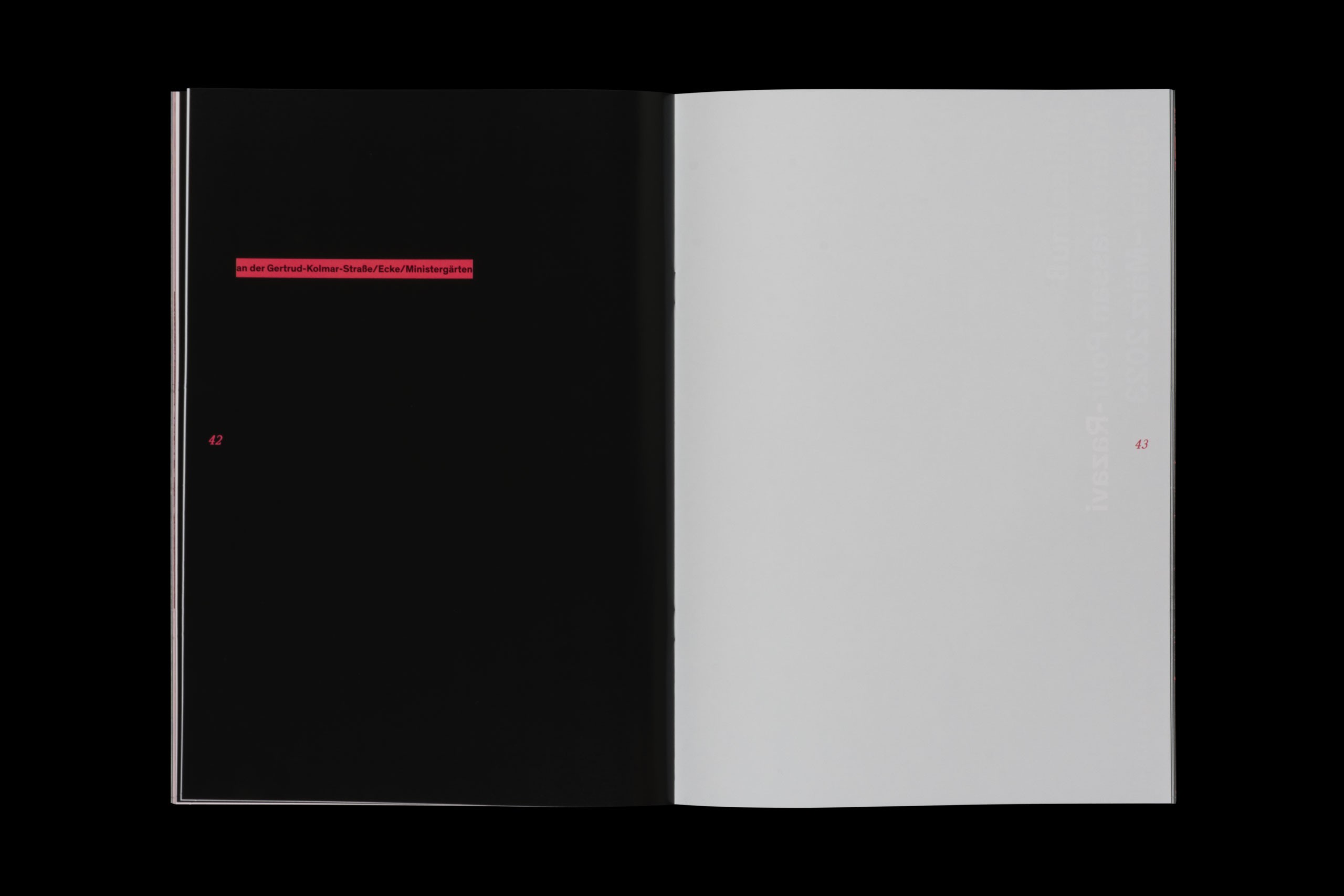
We designed the magazine in close exchange with the authors, translating their textual method into a precise editorial and typographic system. The layout strictly follows the internal logic of the text — its defined line breaks, deliberate gaps, and omissions. Rather than interpreting or smoothing the material, the design preserves the authors’ language as a spatial structure on the page.
The result is not only a documentation of a theatrical writing process, but a book that treats design as an act of listening and mediation. By resisting conventional narrative flow and singular authorship, the publication reinforces the project’s core idea: that remembering is collective, contested, and ongoing — and that form itself can be a political position.
Gemeine Plätze centers on an unpaved parking lot in Berlin-Mitte — surrounded by GDR housing blocks, embassies, and new developments. What appears to be a non-place reveals itself as a highly charged site: located within the former GDR death strip and above Hitler’s former Führerbunker.
Over eight weeks, the authors Sophia Barthelmes, Ewe Benbenek, and Marcus Peter Tesch developed the project through a collective writing process that understands remembering as a political act — shaped by power, authorship, and access to history. By bringing together queer, feminist, post-migrant, post-socialist, and critical-class perspectives, the text challenges linear historiography in favor of a multi-voiced, horizontal form of collective memory.
We designed the magazine in close exchange with the authors, translating their textual method into a precise editorial and typographic system. The layout strictly follows the internal logic of the text — its defined line breaks, deliberate gaps, and omissions. Rather than interpreting or smoothing the material, the design preserves the authors’ language as a spatial structure on the page.
The result is not only a documentation of a theatrical writing process, but a book that treats design as an act of listening and mediation. By resisting conventional narrative flow and singular authorship, the publication reinforces the project’s core idea: that remembering is collective, contested, and ongoing — and that form itself can be a political position.
Credits